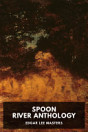
Mitch Miller: Restored Classics to Go Edition
About this ebook
Discover more
About the author
Edgar Lee Masters was an American poet, playwright, and biographer whose work captured the tensions of small-town life, moral ambition, and human disappointment with unusual candor. Born in Kansas and raised in Illinois, he came of age in the Midwest that would later become the emotional and social landscape of much of his writing. After studying law and practicing as an attorney, he turned increasingly toward literature, eventually becoming one of the most distinctive voices of early twentieth-century American letters. His greatest literary achievement lies in his poetry, especially the collection that gave voice to an entire community through a chorus of the dead, but he also wrote novels, essays, and biographies with a restless curiosity about character and society. Across his work, Masters returned again and again to themes of unfulfilled lives, the gap between public respectability and private truth, the burdens of class, desire, and memory, and the quiet tragedies hidden beneath ordinary American experience. These concerns still feel strikingly modern, speaking to readers who recognize how communities can both nurture and constrain individual lives. His legacy endures because he helped open American literature to more direct, psychologically layered portrayals of everyday people, using plainspoken language to reveal deep emotional complexity. Readers who enjoy literary realism, social observation, and voices that uncover the secret lives beneath small-town surfaces will find Edgar Lee Masters especially rewarding.