About this ebook
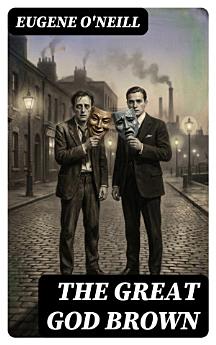
Eugene O'Neill's "The Great God Brown" is a profound exploration of identity, ambition, and the duality of human nature, set against the backdrop of a rapidly changing America in the early 20th century. The play masterfully intertwines elements of realism and expressionism, employing innovative dramatic techniques, such as the use of masks to depict the protagonists' internal struggles. Through its rich symbolism and poignant dialogue, O'Neill investigates the tension between genuine self-expression and the façades that individuals adopt to navigate societal expectations, prompting reflections on the existential crises faced by modern man. Eugene O'Neill, a pivotal figure in American theatre, drew upon his own tumultuous experiences, including familial strife and personal battles with addiction, to illuminate the complexities of human existence. His deep-rooted understanding of despair and a relentless quest for authenticity permeate his works, including "The Great God Brown". This play, first performed in 1926, reflects O'Neill's psychological insight and his commitment to portraying the darker aspects of humanity, aligning with the broader themes of American Expressionism. For readers and theatre enthusiasts alike, "The Great God Brown" serves as a compelling invitation to delve into the intricacies of the human soul. O'Neill's haunting narrative and incisive social commentary resonate with contemporary audiences, making this play an essential read for anyone seeking to understand the depths of human consciousness and the societal masks we wear. In this enriched edition, we have carefully created added value for your reading experience: - A succinct Introduction situates the work's timeless appeal and themes. - The Synopsis outlines the central plot, highlighting key developments without spoiling critical twists. - A detailed Historical Context immerses you in the era's events and influences that shaped the writing. - An Author Biography reveals milestones in the author's life, illuminating the personal insights behind the text. - A thorough Analysis dissects symbols, motifs, and character arcs to unearth underlying meanings. - Reflection questions prompt you to engage personally with the work's messages, connecting them to modern life. - Hand‐picked Memorable Quotes shine a spotlight on moments of literary brilliance. - Interactive footnotes clarify unusual references, historical allusions, and archaic phrases for an effortless, more informed read.
Eugene O'Neill's "The Great God Brown" is a profound exploration of identity, ambition, and the duality of human nature, set against the backdrop of a rapidly changing America in the early 20th century. The play masterfully intertwines elements of realism and expressionism, employing innovative d...
Discover more
About the author
Eugene O'Neill (1888–1953), one of America's greatest playwrights, is celebrated for his remarkable contribution to modern drama. Born in a Broadway hotel room, O'Neill's life was enmeshed with the theater from the very beginning, as he was the son of the famous actor James O'Neill. He studied at Princeton but left after a year, embarking on a period of self-education and adventure, including a stint at sea, which profoundly influenced his later sea plays. His deep exploration of the human psyche and innovative use of realism combined with expressionism marked a new era for the American stage. O'Neill's narrative mastery is exemplified in his play 'The Great God Brown' (1926), which employs masks as a symbol of the duality of identity and the struggle between the individual and society, reflecting his continuous theme of inner truths versus outward facades. His extensive repertoire, marked by plays such as 'Long Day's Journey into Night', 'The Iceman Cometh', and 'A Moon for the Misbegotten', earned him four Pulitzer Prizes for Drama and, posthumously, the Nobel Prize in Literature in 1936. O'Neill's influence persists, as his work fundamentally transformed American theater by introducing psychological depth and challenging societal norms with his bold, often tragic, portrayals of human nature.
Eugene O'Neill (1888–1953), one of America's greatest playwrights, is celebrated for his remarkable contribution to modern drama. Born in a Broadway hotel room, O'Neill's life was enmeshed with the theater from the very beginning, as he was the son of the famous actor James O'Neill. He studied at...
Rate this ebook
Tell us what you think.
Reading information
Smartphones and tablets
Install the Google Play Books app for Android and iPad/iPhone. It syncs automatically with your account and allows you to read online or offline wherever you are.
Laptops and computers
You can listen to audiobooks purchased on Google Play using your computer's web browser.
eReaders and other devices
To read on e-ink devices like Kobo eReaders, you'll need to download a file and transfer it to your device. Follow the detailed Help Center instructions to transfer the files to supported eReaders.