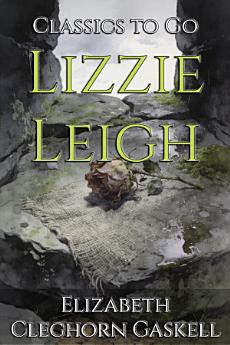
Lizzie Leigh: Restored Classics to Go Edition
About this ebook
Discover more
About the author
Elizabeth Cleghorn Gaskell, born in 1810 in London and raised largely in the quiet surroundings of rural Cheshire, brought to fiction a rare combination of social observation, moral seriousness, and deep sympathy for ordinary lives. The daughter of a Unitarian minister and later the wife of a Manchester minister, she lived at the heart of a rapidly changing industrial city, and that experience gave her a firsthand understanding of poverty, class tension, factory life, and the pressures placed on women and families in Victorian England. She became one of the era's most respected novelists and short-story writers, admired for her ability to portray working people, servants, mill owners, and domestic worlds with equal attentiveness and humanity. Her writing often explores the hidden costs of social inequality, the strength and vulnerability of women, the complexity of family duty, and the possibility of forgiveness across divisions of class and circumstance. These concerns remain strikingly relevant today, especially in a world still shaped by economic disparity, gender expectations, and debates about compassion and responsibility. Gaskell's legacy lies in her humane realism and her refusal to reduce people to stereotypes; she saw moral life as tangled, painful, and deeply human. Readers who enjoy socially engaged fiction, vivid character studies, and stories that balance empathy with insight will find her work especially rewarding.