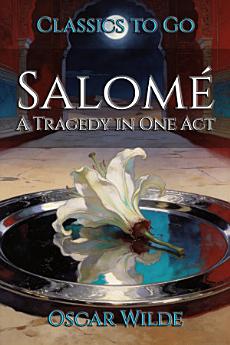
Salomé: Restored Classics to Go Edition
About this ebook
Discover more
About the author
Oscar Wilde was born in Dublin in 1854 and rose from a brilliant student at Trinity College, Dublin, and Oxford to become one of the most dazzling writers and conversationalists of the late Victorian age. He made his name first as a poet, critic, playwright, and master of wit, moving with ease between journalism, lectures, fiction, and the theatre, before his career was tragically broken by scandal, imprisonment, and exile. Yet the works he left behind secured his lasting place in literature: his comedies of manners exposed the vanity and hypocrisy of polite society with sparkling precision, while his darker, more lyrical writings explored beauty, desire, artifice, and the dangerous cost of living honestly in a judgmental world. His writing is marked by epigram, elegance, and a deep awareness of how social performance can conceal loneliness, longing, and moral conflict. Wilde remains strikingly relevant today because he understood the pressure to conform, the cruelty of public opinion, and the struggle to define one's identity against convention. He is also remembered as a bold voice for aesthetic freedom and as a figure whose life embodies both artistic brilliance and personal suffering. Readers who enjoy sharp comedy, unforgettable language, and works that balance glamour with emotional depth will find Wilde endlessly rewarding.