About this ebook
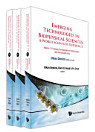
- Provides fundamental knowledge on biomimeticlipid membranes;
- Addresses some of biomimetic membrane types, preparation methods, properties and characterization techniques;
- Explains state-of-art technological developments that incorporate microfluidic systems, array technologies, lab-on-a-chip-tools, biosensing, and bioprinting techniques;
- Describes the integration of biomimetic membranes with current top-notch tools and platforms;
- Examines applications in medicine, pharmaceutical industry, and environmental monitoring.
Discover more
Ratings and reviews
About the author
Dr. Ahu Arslan Yildiz is currently Assistant Professor in the Bioengineering Department at the Izmir Institute of Technology (IZTECH). Previously, she was an Assistant Professor at Okan University's Genetics and Bioengineering Department and a visiting fellow at the Canary Center for Cancer Early Detection, Department of Radiology, Stanford University School of Medicine. She received her BSc degree in Chemistry in 2003 from Hacettepe University and the MSc degree in 2006 in Chemistry from Middle East Technical University. She received her Ph.D. in Biology in 2010 from the Max-Planck Institute Polymer Research and Johannes Gutenberg University. She specializes in the field of artificial cell membrane and membrane receptor research. Her research interests include applications of biotechnology, including biomimetic systems, biomaterials, tissue engineering and regenerative medicine, 3D cell culture, diagnostic tools, drug screening and lab-on-a-chip microfluidic devices.
Dr. Fatih Inci is currently working as a Research Scientist (Faculty/Academic Staff) at Stanford University School of Medicine, Canary Center at Stanford for Cancer Early Detection. Dr. Inci received his PhD degree from Istanbul Technical University (Turkey), focusing on artificial lipid membranes and their clinical and pharmaceutical applications on surface-sensitive platforms. During his Ph.D. studies, he was also appointed as a visiting scientist at the University of New South Wales (Sydney, Australia) and University of Technology Sydney (Australia). He also worked as a research scholar at Brigham and Women’s Hospital (BWH)-Harvard Medical School, and Harvard-MIT Health Sciences and Technology Division (Boston, MA, United States). Dr. Inci was then appointed a Postdoctoral Research Fellow at BWH-Harvard Medical School and Stanford University School of Medicine (Palo Alto, CA, United States) in 2013 and 2014, respectively. Dr. Inci’s area of excellence in research is to create micro- and nano-scale platform technologies in the fields of biomedical engineering, biotechnology and medicine by manipulating biomolecules, cells, and viruses in micro and nano-scale entities. His platform offers precise solutions for real-world challenges in clinical diagnostics, personalized medicine, cancer early detection, forensic science, and biomarker discovery. His research interests also focus on many applications of microfluidics, biosensors, nanoplasmonics, lab-on-a-chip, artificial lipid membranes, disease on-chip models, and drug delivery systems.