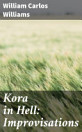
A Comprehensive Summary and Analysis of Kora in Hell Improvisations: Demanding Ebook Book
About this ebook
In Kora in Hell, Williams challenges the "walking devil of modern life" — the oppressive conformity and intellectual stagnation of contemporary society. Through his experimental style and provocative language, he seeks to "loosen the attention" and dismantle the "solidity" of accepted truths. Each passage pulses with the urgency of discovery, celebrating the unpredictable and spontaneous nature of creativity. Williams’ work is a fierce declaration of artistic freedom, encouraging readers to embrace the chaos and fluidity of the creative process.
Kora in Hell: Improvisations remains a defining work of American modernist literature, showcasing Williams' innovative use of language and his deep commitment to artistic integrity. Readers drawn to experimental prose, philosophical reflection, and creative exploration will find this work both challenging and invigorating. Williams’ fearless engagement with the creative act continues to inspire writers and artists seeking to break free from conventional forms.
About the author
William Carlos Williams, the visionary author of Kora in Hell: Improvisations, is a central figure in modernist literature, known for his groundbreaking approach to experimental writing and his commitment to artistic rebellion. Williams’ works reflect a deep engagement with creative freedom and the rejection of traditional literary forms. In Kora in Hell, Williams explores the power of fragmented prose and nonlinear narrative, crafting a work that embodies the chaotic beauty of the creative process. His use of stream of consciousness and innovative language challenges readers to engage with literature on a deeper, more immediate level. Williams’ exploration of individual expression, philosophical reflection, and the complexities of modernist themes continues to influence and inspire writers and artists seeking to push the boundaries of literary experimentation. His fearless approach to breaking conventions and his unwavering belief in the integrity of the creative act make him a defining voice in American modernism.