About this ebook
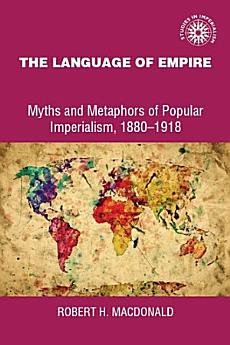
The debate about the Empire dealt in idealism and morality, and both sides employed the language of feeling, and frequently argued their case in dramatic terms. This book opposes two sides of the Empire, first, as it was presented to the public in Britain, and second, as it was experienced or imagined by its subjects abroad. British imperialism was nurtured by such upper middle-class institutions as the public schools, the wardrooms and officers' messes, and the conservative press. The attitudes of 1916 can best be recovered through a reconstruction of a poetics of popular imperialism. The case-study of Rhodesia demonstrates the almost instant application of myth and sign to a contemporary imperial crisis. Rudyard Kipling was acknowledged throughout the English-speaking world not only as a wonderful teller of stories but as the 'singer of Greater Britain', or, as 'the Laureate of Empire'. In the last two decades of the nineteenth century, the Empire gained a beachhead in the classroom, particularly in the coupling of geography and history. The Island Story underlined that stories of heroic soldiers and 'fights for the flag' were easier for teachers to present to children than lessons in morality, or abstractions about liberty and responsible government. The Education Act of 1870 had created a need for standard readers in schools; readers designed to teach boys and girls to be useful citizens. The Indian Mutiny was the supreme test of the imperial conscience, a measure of the morality of the 'master-nation'.
The debate about the Empire dealt in idealism and morality, and both sides employed the language of feeling, and frequently argued their case in dramatic terms. This book opposes two sides of the Empire, first, as it was presented to the public in Britain, and second, as it was experienced or ima...
Discover more
Rate this ebook
Tell us what you think.
Reading information
Smartphones and tablets
Install the Google Play Books app for Android and iPad/iPhone. It syncs automatically with your account and allows you to read online or offline wherever you are.
Laptops and computers
You can listen to audiobooks purchased on Google Play using your computer's web browser.
eReaders and other devices
To read on e-ink devices like Kobo eReaders, you'll need to download a file and transfer it to your device. Follow the detailed Help Center instructions to transfer the files to supported eReaders.