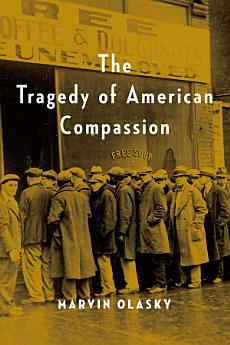
The Tragedy of American Compassion
Oct 2022 · Sold by Simon and Schuster
Ebook
300
Pages
family_home
Eligible
info
About this ebook
Can a man be content with a piece of bread and some change tossed his way from a passerby?
Today's modern welfare state expects he can. Those who control the money in our society think that giving a dollar at the train station and then appropriating a billion dollars for federal housing can cure the ails of the homeless and the poor.
But the crisis of the modern welfare state is more than a crisis of government. Private charities that dispense aid indiscriminately while ignoring the moral and spiritual needs of the poor are also to blame. Like animals in the zoo at feeding time, the needy are given a plate of food but rarely receive the love and time that only a person can give.
Poverty fighters 100 years ago were more compassionate--in the literal meaning of "suffering with"--than many of us are now. They opened their own homes to deserted women and children. They offered employment to nomadic men who had abandoned hope and human contact. Most significantly, they made moral demands on recipients of aid. They saw family, work, freedom, and faith as central to our being, not as life-style options. No one was allowed to eat and run.
Some kind of honest labor was required of those who needed food or a place to sleep in return. Woodyards next to homeless shelters were as common in the 1890s as liquor stores are in the 1990s. When an able bodied woman sought relief, she was given a seat in the "sewing room" and asked to work on garments given to the helpless poor.
To begin where poverty fighters a century ago began, Marvin Olasky emphasizes seven ideas that recent welfare practice has put aside: affiliation, bonding, categorization, discernment, employment, freedom, and most importantly, belief in God. In the end, not much will be accomplished without a spiritual revival that transforms the everyday advice we give and receive, and the way we lead our lives.
It's time we realized that there is only so much that public policy can do. That only a richness of spirit can battle a poverty of soul. The century-old question--does any given scheme of help... make great demands on men to give themselves to their brethren?--is still the right one to ask. Most of our 20th-century schemes have failed. It's time to learn from the warm hearts and hard heads of the 19th-century.
Can a man be content with a piece of bread and some change tossed his way from a passerby?
Today's modern welfare state expects he can. Those who control the money in our society think that giving a dollar at the train station and then appropriating a billion dollars for federal housing can cure...
Discover more
About the author
Marvin Olasky is a senior fellow of the Discovery Institute and the author of twenty-eight books, including The Tragedy of American Compassion and Lament for a Father. From 1983 through 2021 he was a professor at the University of Texas at Austin and the editor in chief of WORLD. He and his wife, Susan, have four sons.
Marvin Olasky is a senior fellow of the Discovery Institute and the author of twenty-eight books, including The Tragedy of American Compassion and Lament for a Father. From 1983 through 2021 he was a professor at the University of Texas at Austin and the editor in chief of WORLD. He and his wife,...
Rate this ebook
Tell us what you think.
Reading information
Smartphones and tablets
Install the Google Play Books app for Android and iPad/iPhone. It syncs automatically with your account and allows you to read online or offline wherever you are.
Laptops and computers
You can listen to audiobooks purchased on Google Play using your computer's web browser.
eReaders and other devices
To read on e-ink devices like Kobo eReaders, you'll need to download a file and transfer it to your device. Follow the detailed Help Center instructions to transfer the files to supported eReaders.