Adonais: Restored Classics to Go Edition
About this ebook
About the author
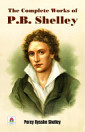
Percy Bysshe Shelley was one of the most daring and imaginative poets of the English Romantic era, born in 1792 into a wealthy Sussex family and educated at Eton and Oxford before being expelled for his outspoken radicalism. Restless, idealistic, and often at odds with authority, he spent much of his short life in self-imposed exile in Italy, where he wrote some of his most powerful and visionary poetry before drowning in a sailing accident in 1822 at the age of just twenty-nine. Shelley's work helped redefine lyric poetry through its musical intensity, philosophical ambition, and fierce engagement with politics, freedom, and the life of the mind. He wrote with extraordinary force about the struggle against oppression, the power of imagination, the fragility of beauty, and the hope that human beings might remake society through reason and compassion. His elegiac poetry, including his great meditation on loss and mortality, shows how grief can be transformed into visionary art, while his political and lyrical poems continue to speak to readers concerned with justice, dissent, and the costs of idealism. Shelley's legacy endures because he gives voice to both revolt and longing, reminding us that poetry can be a form of moral urgency as well as beauty. Readers who are drawn to passionate, intellectually ambitious verse, and especially those interested in romanticism, rebellion, and the search for meaning in a changing world, will find Shelley endlessly rewarding.