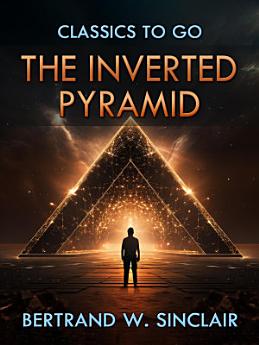
The Inverted Pyramid: Restored Classics to Go Edition
About this ebook
Discover more
About the author
Bertrand W. Sinclair (1881-1972) was a Canadian-American novelist whose work vividly captured the rugged spirit and untamed landscapes of the early 20th-century American Northwest. Born in Edinburgh, Scotland, Sinclair emigrated to Canada as a child, where he was exposed to the raw beauty and harsh realities of frontier life. This early experience profoundly influenced his literary career, imbuing his narratives with authenticity and a deep appreciation for the natural world.Sinclair's writing career began in earnest in the early 1900s, and he quickly gained a reputation for his compelling storytelling and richly drawn characters. His works often explored themes of survival, human resilience, and the complex relationship between man and nature. Sinclair's ability to depict the struggles and triumphs of ordinary people in extraordinary circumstances resonated with readers and critics alike.A notable aspect of Sinclair's career was his willingness to tackle controversial social issues. He was an outspoken advocate for labor rights and frequently highlighted the exploitation of workers in his stories. This advocacy sometimes put him at odds with powerful industrial interests, but it also endeared him to a growing audience of readers who were increasingly aware of social injustices.Sinclair's influence extended beyond his own writing. He was part of a broader literary movement that included contemporaries like Jack London and Upton Sinclair (no relation), who also focused on social issues and the human condition. His work helped pave the way for later writers who sought to blend compelling narratives with social commentary.In addition to his literary contributions, Sinclair was an adventurer at heart. He spent time as a cowboy, sailor, and prospector, experiences that enriched his storytelling and lent an air of authenticity to his depictions of frontier life. His adventurous spirit and commitment to social justice continue to inspire modern readers and writers alike.