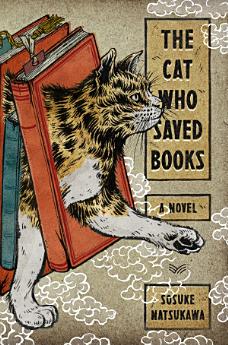
The Cat Who Saved Books: A Novel
About this ebook
From the #1 bestselling author in Japan comes a cozy, heartwarming fantasy—a celebration of books, cats, and the people who love them, infused with the spirit of The Guest Cat and The Travelling Cat Chronicles.
Bookish high school student Rintaro Natsuki is about to close the secondhand bookstore he inherited from his beloved bookworm grandfather. Then, a talking cat appears with an unusual request. The feline asks for—or rather, demands—the teenager’s help in saving books with him. The world is full of lonely books left unread and unloved, and the cat and Rintaro must liberate them from their neglectful owners.
Their mission sends this odd couple on an amazing fantasy adventure, where they enter different mazes to set books free. Through their travels, the cat and Rintaro meet a man who leaves his books to perish on a bookshelf, an unwitting book torturer who cuts the pages of books into snippets to help people speed read, and a publishing drone who only wants to create bestsellers. Their adventures culminate in one final, unforgettable challenge—the last maze that awaits leads Rintaro down a realm only the bravest dare enter . . .
An enthralling tale of books, first love, and coming of age, The Cat Who Saved Books is a story for those for whom books are so much more than words on paper.
Translated from the Japanese by Louise Heal Kawai.
"Cats, books, young love, and adventure: catnip for a variety of readers!" –Kirkus
Discover more
Ratings and reviews

- Flag inappropriate

- Flag inappropriate

- Flag inappropriate
About the author
Sosuke Natsukawa is a Japanese physician and novelist. He graduated from the Shinshu University medical school and practices medicine at a hospital in the largely rural prefecture of Nagano. His multi-volume debut novel, Kamisama no Karute (God's Medical Records), has won several prizes and has sold over three million copies in Japan. He is the author of the number one international bestseller The Cat Who Saved Books. The Cat Who Saved the Library is the second book in his series featuring Tiger the talking tabby cat.