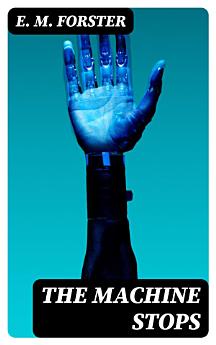
The Machine Stops
E. M. Forster
Nov 2022 · DigiCat
Ebook
33
Pages
family_home
Eligible
info
About this ebook
In E. M. Forster's novella 'The Machine Stops', the reader is transported to an unsettlingly dystopian future where humanity lives underground, dependent on a vast machine for all aspects of life. Forster's literary style is marked by a clear, incisive narrative that blends speculative fiction with philosophical inquiry, exposing the perils of technology and isolation. Written in 1909, the text reflects the anxieties of an era burgeoning with technological advancements while presaging contemporary concerns about overreliance on machinery and the erosion of human connection. E. M. Forster, renowned for his profound insights into social structures and the human condition, crafted 'The Machine Stops' during a period of significant transition in England. His experiences in a rapidly changing society, coupled with his belief in the value of human relationships and individuality, undoubtedly influenced this cautionary tale. Forster's narrative explores themes of alienation, the consequences of technological fetishism, and the risk of sacrificing genuine human experience for convenience. 'The Machine Stops' is essential reading for those intrigued by the intersection of technology and humanity. This prescient novella not only resonates with contemporary readers but also serves as a timeless warning against the dangers of surrendering our autonomy to machines. Forster's work invites critical reflection on our reliance on technology, urging us to reclaim our humanity.
In E. M. Forster's novella 'The Machine Stops', the reader is transported to an unsettlingly dystopian future where humanity lives underground, dependent on a vast machine for all aspects of life. Forster's literary style is marked by a clear, incisive narrative that blends speculative fiction wi...
Discover more
About the author
Edward Morgan Forster, better known as E. M. Forster, was a distinguished English novelist, short story writer, essayist, and social critic. Born on January 1, 1879, in London, Forster's literary work is celebrated for its keen insight into the British class structure and the hypocrisy and confusion inherent in human relationships. His narrative style is marked by a subtle irony, a deep understanding of human emotions, and an enduring quest for connection in a fragmented world. Forster's exploration of themes like social convention, the experience of love, and the contrast between rural and urban life has positioned him as a central figure in 20th-century literature. Although he is best known for his novels, including 'A Passage to India', 'Howard's End', and 'A Room with a View,' one of his most compelling contributions is a novella titled 'The Machine Stops' (Forster, 1909). This work is a testament to Forster's visionary prowess, depicting a dystopian future where humanity is subjugated by technology, eerily prescient of today's discussions about the digital age and artificial intelligence. Forster's legacy extends beyond his fictional works, having also penned influential essays and broadcasts. His humanist stance, combined with a critical eye on social structures, makes his work both groundbreaking for its time and enduringly relevant. He continued his literate pursuits until his death on June 7, 1970, leaving behind a body of work that continues to resonate and incite dialogue among readers and scholars alike.
Edward Morgan Forster, better known as E. M. Forster, was a distinguished English novelist, short story writer, essayist, and social critic. Born on January 1, 1879, in London, Forster's literary work is celebrated for its keen insight into the British class structure and the hypocrisy and confus...
Rate this ebook
Tell us what you think.
Reading information
Smartphones and tablets
Install the Google Play Books app for Android and iPad/iPhone. It syncs automatically with your account and allows you to read online or offline wherever you are.
Laptops and computers
You can listen to audiobooks purchased on Google Play using your computer's web browser.
eReaders and other devices
To read on e-ink devices like Kobo eReaders, you'll need to download a file and transfer it to your device. Follow the detailed Help Center instructions to transfer the files to supported eReaders.