Fuel: A Speculative Dictionary
About this ebook
From “Air” to “Zyklon B,” entries in this unusual “dictionary” include Algae, Clathrates, Dilithium, Fleece, Goats, Theology, Whale Oil, and many, many more. The tone of the entries ranges as widely as the topics: from historical anecdotes (the Ford Fiesta “boozemobile”) to eccentric readings of the classics of “energy lit” (Germinal and Oil!); from literary observations (a high octane Odyssey?) to excursions into literary theory. The dictionary draws from an eccentric canon, including works by Jules Verne, George Eliot’s Silas Marner, Paolo Bacigalupi’s Windup Girl, and the Tom Cruise vehicle Oblivion, among others.
A message from this ambitious project is that energy can be understood as a heterogeneous set of self-mystifying systems or machines that block access to thought as they fascinate us. Fuels emerge as more primal elements that the audience can grasp at various points along the way to consumption/combustion. This dictionary can help scramble our thinking about fuel—not in order to demonize energy and not in order to create a new hierarchy in which certain renewables take over from fossil fuels but instead to open up potential ways of interacting with real and imaginary substances, by wrenching them out of narrative and placing them into an idiosyncratic dictionary to be applied by readers into new narratives.
Discover more
About the author
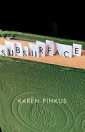
Karen Pinkus is professor of Italian and comparative literature at Cornell University and chair of the Faculty Advisory Board of the Atkinson Center for a Sustainable Future. She has widely written on climate change and the humanities, as well as on literary theory, visual arts, Italian culture, and cinema. Her books include Bodily Regimes: Italian Advertising under Fascism (Minnesota, 1995) and Alchemical Mercury: A Theory of Ambivalence.