About this ebook
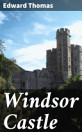
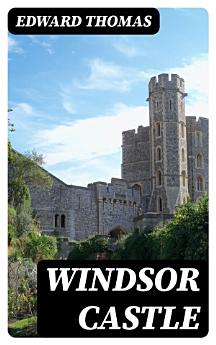
Published in 1915, Edward Thomas's "Windsor Castle" intertwines the realms of poetry and prose within a rich tapestry of evocative imagery and introspective narrative. Set against the backdrop of the majestic Windsor Castle, Thomas employs a contemplative style that delicately captures the nuances of nature and memory. Through finely crafted observations, he explores themes of time, history, and the transient beauty of existence, drawing readers into a world where the personal and the historical converge. His deeply lyrical prose reflects both a vivid sense of place and a profound connection to the English landscape, aligning with the tradition of the Edwardian literary movement. Edward Thomas, an influential figure in early 20th-century literature, often drew inspiration from his deep affinity with nature and his own experiences as a wanderer and poet. His personal struggles, particularly with the weight of societal expectations and his eventual commitment to serving in World War I, imbued his writings with a sense of longing and existential inquiry. "Windsor Castle," written during a period of transformation in his life, exemplifies his growth as a writer who sought to forge a genuine connection between human experience and the natural world. For readers seeking an introspective exploration of place and identity, "Windsor Castle" is a remarkable invitation to engage with the beauty of the everyday while reflecting on the deeper currents of personal and historical significance. Thomas's work resonates profoundly, making it essential for those who appreciate literature that harmonizes lyrical beauty with thoughtful contemplation.
Published in 1915, Edward Thomas's "Windsor Castle" intertwines the realms of poetry and prose within a rich tapestry of evocative imagery and introspective narrative. Set against the backdrop of the majestic Windsor Castle, Thomas employs a contemplative style that delicately captures the nuance...
About the author
Edward Thomas stands as a seminal figure in early 20th-century British literature, although the precise Edward Thomas in reference, given the provided book title 'Windsor Castle,' requires further clarification given the commonality of the name. Nonetheless, should this refer to Philip Edward Thomas (1878-1917), better known as Edward Thomas, it is important to note that he is acclaimed for his evocative poetry that frequently reflects upon the natural landscape and his experience of rural England. Thomas only turned his hand to poetry in the last few years of his life, having already established himself as a reputable literary critic and author of several books related to nature and the English countryside. However, 'Windsor Castle' is not among his renowned works, suggesting the possibility of a different Edward Thomas or an apocryphal attribution. Known for his intimate, lyrical style and deep contemplation of nature, Thomas continues to be admired for his works such as 'The South Country' (1909), 'In Pursuit of Spring' (1914), and his poetry collections. Any study of this Edward Thomas must confront the tragic brevity of his literary career, which was sadly cut short when he was killed in action during World War I. Regardless, his contribution to English literature endures through both his prose and his poetry, offering deep insight into the human and natural worlds. If the reference pertains to another individual sharing his name, the biography would change accordingly to reflect the accurate historical and literary context.
Edward Thomas stands as a seminal figure in early 20th-century British literature, although the precise Edward Thomas in reference, given the provided book title 'Windsor Castle,' requires further clarification given the commonality of the name. Nonetheless, should this refer to Philip Edward Tho...
Rate this ebook
Tell us what you think.
Reading information
Smartphones and tablets
Install the Google Play Books app for Android and iPad/iPhone. It syncs automatically with your account and allows you to read online or offline wherever you are.
Laptops and computers
You can listen to audiobooks purchased on Google Play using your computer's web browser.
eReaders and other devices
To read on e-ink devices like Kobo eReaders, you'll need to download a file and transfer it to your device. Follow the detailed Help Center instructions to transfer the files to supported eReaders.