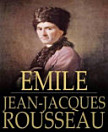
émile;: Restored Classics to Go Edition
About this ebook
Discover more
About the author
Jean-Jacques Rousseau was born in Geneva in 1712 and lived a restless, often precarious life that carried him from watchmaking apprenticeships and self-education to the center of the European Enlightenment. A philosopher, novelist, composer, and political thinker, he became one of the most influential and controversial writers of the eighteenth century, admired for his originality and criticized for his uncompromising views. His major writings reshaped ideas about human nature, society, freedom, education, and political legitimacy, arguing that civilization can corrupt as well as refine, and that genuine moral life depends on authenticity, feeling, and a more just social order. He also transformed thinking about childhood by insisting that education should follow the child's natural development rather than force premature conformity. Across his work, Rousseau explored the tension between individual liberty and social obligation, the dignity of ordinary feeling, and the dangers of inequality, themes that still speak powerfully to modern debates about education, democracy, identity, and the pressure of social comparison. His legacy endures because he helped define both Romantic sensibility and modern political thought, and because his questions about how people can live freely and truthfully in society remain urgent today. Readers who enjoy philosophical reflection, political argument, and deeply human meditations on education and selfhood will find Rousseau especially rewarding.