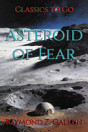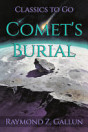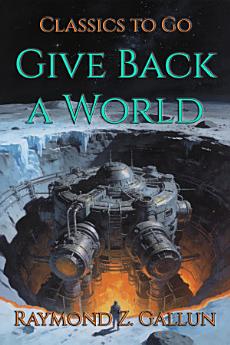
Give Back a World: Restored Classics to Go Edition
About this ebook
Discover more
About the author
Raymond Z. Gallun, born Raymond Zinke Gallun in 1911 in Milwaukee, Wisconsin, was one of the early architects of American science fiction, a writer who helped shape the genre's sense of wonder at a time when it was still finding its voice. Largely self-educated and deeply imaginative, he began publishing stories in the pulp magazines of the 1930s and went on to build a long career that stretched across decades of rapid scientific change. Gallun became especially admired for his thoughtful, human-centered approach to speculative fiction, blending adventure with ideas about space exploration, alien contact, environmental responsibility, and the ethical choices that come with technological power. His work often looked beyond spectacle to ask how people might live with one another, and with the wider universe, in ways that are wiser and more compassionate. That concern for stewardship and shared responsibility gives his writing a striking contemporary relevance, especially in an age shaped by climate anxiety, scientific progress, and questions about humanity's place in the cosmos. Gallun's legacy endures in the way he helped make science fiction not just a literature of invention, but one of moral imagination. Readers who enjoy classic science fiction with a reflective, humane spirit, and anyone drawn to stories that combine adventure with big questions about the future, will find much to appreciate in his work.