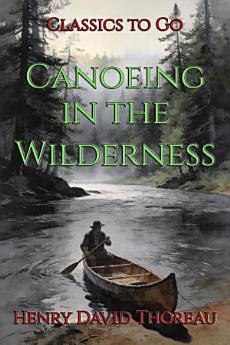
Canoeing in the Wilderness: Restored Classics to Go Edition
About this ebook
Discover more
About the author
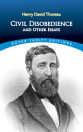
Henry David Thoreau was an American essayist, naturalist, philosopher, and transcendentalist whose life was shaped by a deep commitment to simplicity, self-reliance, and close observation of the natural world. Born in Concord, Massachusetts, he studied at Harvard, worked in education and writing, and spent much of his life walking the woods, rivers, and fields around his hometown, experiences that became the foundation of his enduring literary voice. He is best remembered for writing with uncommon clarity and moral force about the relationship between the individual and society, the value of solitude, the discipline of living deliberately, and the spiritual and practical lessons found in nature. His work often blends memoir, social criticism, and natural description, and it continues to resonate in an age marked by environmental concern, consumer excess, and the search for a more meaningful life. Thoreau's legacy lies not only in his influence on American literature but also in his role as an early voice for environmental awareness, civil disobedience, and personal conscience, ideas that still inspire readers, activists, and thinkers today. He remains especially rewarding for readers who love nature writing, reflective prose, and books that challenge them to examine how they live.