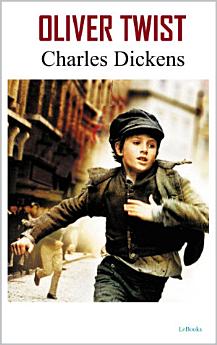
Oliver Twist - Dickens
About this ebook
Since its publication, Oliver Twist has stood as a powerful critique of the Poor Laws and child labor, while also offering a compelling narrative of hope and survival. Dickens masterfully combines melodrama, satire, and realism, highlighting both the depravity and compassion found among the lower classes and the indifference of the elite.
The novel's enduring impact lies in its ability to humanize social issues and inspire empathy through storytelling. Oliver Twist remains a cornerstone of English literature, reminding readers of the importance of justice, compassion, and the fight against systemic oppression.
Discover more
Ratings and reviews

- Flag inappropriate
About the author
Charles Dickens was a British novelist and social critic, widely regarded as one of the greatest writers of the Victorian era. Born in Portsmouth, England, Dickens is known for his vivid characters, intricate plots, and sharp social commentary, often addressing issues such as poverty, child labor, and the injustices of the industrial revolution. His works were immensely popular during his lifetime and have since become classics of English literature, studied and admired worldwide.
Dickens rose to fame with the publication of The Pickwick Papers (1836), and went on to produce a remarkable array of novels that combined memorable characters, humor, and biting social critique. Among his most celebrated works are Oliver Twist (1837–1839), David Copperfield (1849–1850), Bleak House (1852–1853), A Tale of Two Cities (1859), and Great Expectations (1860–1861)
Dickens's works deeply influenced both literature and public awareness of social issues. His portrayals of inequality, corruption, and the struggles of the underprivileged sparked conversations about reform and justice. With his mastery of language and his ability to combine entertainment with moral purpose, Dickens elevated the novel as a serious artistic form.
He created a universe teeming with unforgettable characters—like Ebenezer Scrooge, Uriah Heep, and Miss Havisham—who have become embedded in global cultural memory. Dickens's blend of satire, sentiment, and realism made his works accessible to a broad audience while offering poignant critiques of the society he lived in.