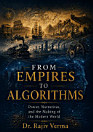
Technology, Society, and the Future of Learning: ICT and Academic Outcomes in Higher Education
About this ebook
technological transformation. The rapid, pandemic-driven shift
to remote and hybrid learning was not an anomaly; it accelerated
a process that was already reshaping the very foundations of
academia. As digital tools—from cloud-based Learning
Management Systems (LMS) to nascent AI tutors—become
embedded in the fabric of the university, our discourse remains
surprisingly polarized. We often swing between technological
solutionism, which views Information and Communication
Technology (ICT) as a panacea for access and efficiency, and a
deep-seated anxiety about dehumanization, distraction, and
digital divides.
This book argues for a third way: a critical sociological
examination of the complex, co-constitutive relationship
between technology, the society it operates within, and the
future of learning it is shaping.
We have moved beyond the simple question of whether
technology should be used in the classroom. The urgent
questions now are how, why, and for whose benefit this will
occur. The central inquiry driving this work is not simply “Does
technology improve grades?” but rather, “How is ICT
fundamentally reconfiguring what we define as an academic
outcome?” When learning is mediated by algorithms,
collaboration occurs on shared documents, and research is
conducted in global digital libraries, our traditional metrics of
success—memorization, standardized testing, and seat time—
feel increasingly inadequate. This book argues that this is not
a crisis but a liberation—a chance to finally focus on what
matters.
Discover more
About the author
Dr. Manish Dadhich, is PhD from the Department of Commerce, EAFM, University of Rajasthan, Jaipur, M.Com, UGC-NET (Commerce); MBA, UGC-NET (Management), RPSC-SET (Management). He has 16+ years of teaching experience in various colleges, universities, and corporate sectors, a rare blend of academia, industry, corporate consultancy, and research. He is presently working as an Associate Professor at School of Management, Sir Padampat Singhania University, Udaipur. He has published 90+ research papers in reputed international & national journals indexed in Scopus/SCI/IEEE/ABDC/WoS. He also presented more than 60 research papers at national and international conferences. He is a reviewer, advisor, and editorial board member of various reputed International Journals and Conferences of IEEE, Springer, and Elsevier. He is in charge of PhD and research, Program Officer of NSS, a member of the Directorate of Research, and treasurer of SPSU Alumni Society and admission team. Presently, six scholars are pursuing PhD. He was awarded two gold medals in the National Conference for the best research paper. He has published one textbook and four edited books. He has also published 5 case studies. He is a regular invitee for FDP, research workshops, orientation, and refresher course lectures. He was also awarded one Australian patent and published two Indian patents. Further, his major research focuses on Finance, Banking, FinTech, Econometrics, and Statistics.
Dr. Rajiv Verma, as a researcher specializing in higher education, marketing, and the integration of emerging technologies, my work focuses on understanding and advancing the digital transformation of academic ecosystems. I examine how Information and Communication Technologies (ICT), Artificial Intelligence (AI), and data-driven frameworks shape student engagement, institutional performance, and academic outcomes across diverse regions — including Bihar, Uttar Pradesh, Jharkhand, the North East, and Southern India, as well as international contexts such as Nepal, Bangladesh, and Africa.
My research lies at the intersection of ICT adoption, AI-enabled learning systems, and digital marketing analytics, seeking to bridge technological innovation with pedagogical relevance. Through the application of technology acceptance models, digital learning ecosystems, and evidence-based marketing strategies, I have developed frameworks that refine instructional design, optimize institutional resource allocation, and enhance the overall learning experience.
I also explore the emerging roles of adaptive learning environments, algorithmic transparency, and the Internet of Things (IoT) in higher education — contributing to a nuanced understanding of how digital infrastructures and automation reshape academic cultures and governance.
Grounded in a sociotechnical and evidence-driven perspective, my work informs strategic decision-making, policy formulation, and the long-term sustainability of higher education institutions. By aligning theoretical insight with institutional practice, I aim to foster equitable, intelligent, and future-ready education systems capable of thriving in a rapidly evolving digital and global landscape.