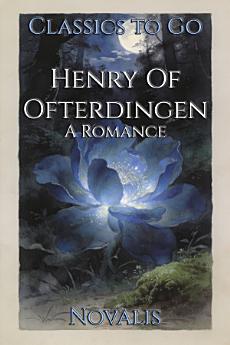
Henry Of Ofterdingen: Restored Classics to Go Edition
About this ebook
Discover more
About the author
Novalis, born Friedrich von Hardenberg in 1772 into a Saxon noble family, lived only twenty-eight years, yet in that brief span he became one of the defining voices of early German Romanticism. Trained in law, philosophy, and mining administration, he moved between the practical demands of state service and an intensely inward literary life shaped by love, grief, religion, and speculative thought. The early death of his beloved fiancée, Sophie von Kühn, profoundly transformed his imagination and helped turn his writing toward themes of longing, transcendence, and the spiritual meaning hidden within ordinary life. As a poet, essayist, and thinker, he helped give Romanticism its distinctive blend of lyric intensity, philosophical depth, and faith in the creative power of the imagination. His work explores the search for unity between self and world, reason and feeling, nature and spirit, and the visible and invisible realms of experience, themes that still speak powerfully to modern readers living amid fragmentation and uncertainty. He remains significant not only for his luminous prose and visionary poetry but also for his belief that art can renew perception and make life more fully alive. Readers drawn to introspective literature, philosophical romance, spiritual questioning, and the beauty of language will find Novalis especially rewarding.