About this ebook
A possible reaction, an imagined judgment, or an expected response is often enough to trigger quiet adjustment. Long before feedback arrives, people begin correcting themselves in anticipation of what might happen.
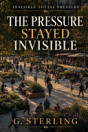
Adjustment Came Before Feedback explores how invisible social pressure encourages self-correction, behavioral anticipation, and preventive conformity—revealing why expected reactions often shape behavior more powerfully than real ones.
Discover more
Ratings and reviews
About the author
G. Sterling writes observational nonfiction focused on social behavior, expectation, conformity, influence, and the unseen pressures that shape human decisions.
His work examines how people adapt to environments, systems, norms, and assumptions that rarely require direct instruction but still influence behavior in powerful ways.
Rather than offering advice or self-improvement frameworks, his books explore the subtle mechanisms behind social response, perception, adjustment, and collective behavior.