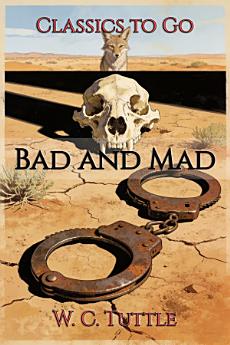
Bad and Mad: Restored Classics to Go Edition
About this ebook
Discover more
About the author
W. C. Tuttle, born Wilbur C. Tuttle in the late nineteenth century, was an American writer who made his mark during the pulp-fiction era, when fast-paced storytelling and vivid characters found a wide audience. Working as a journalist and fiction writer, he became especially known for his sharp Western tales, crime stories, and humorous adventure fiction, building a career that reflected the energy and restlessness of early twentieth-century popular literature. His best work combined brisk plotting with memorable dialogue, a keen sense of place, and a fondness for flawed but appealing characters who stumbled through danger, greed, loyalty, and comic misadventure. Tuttle's stories often explore themes of justice, resilience, frontier morality, and the uneasy line between lawlessness and decency, themes that still feel familiar today in a world that continues to wrestle with conflict, reinvention, and the stories people tell about themselves. Though once read mainly for entertainment, his fiction now offers a lively window into American popular culture and the enduring appeal of lean, energetic storytelling. Tuttle's legacy lies in his ability to capture the spirit of the West and the pulp marketplace with wit and momentum, making him a rewarding discovery for readers who enjoy classic Westerns, vintage adventure fiction, and anyone curious about the roots of modern genre storytelling.




