About this ebook
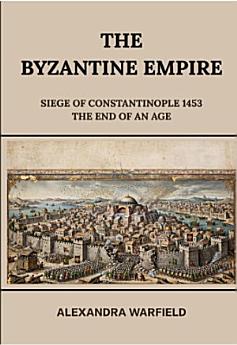
On May 29, 1453, a Tuesday, the walls that had held for a thousand years finally broke. For fifty-three days, twenty-one-year-old Sultan Mehmed II had thrown the Ottoman Empire's full weight against Constantinople — dragging ships over mountains, building the largest cannon ever cast, and encircling a city defended by a fraction of his army with the patience of a man who had waited his whole life for this.
This is that siege told as it was lived: through the eyes of Byzantine secretaries, Venetian surgeons, Genoese captains, and Ottoman chroniclers who watched it happen. You'll ride beside Constantine XI on his final night, as the last Roman emperor asks forgiveness of everyone he ever wronged. You'll watch Giovanni Giustiniani hold the walls together for seven weeks — until one wound changes everything. And you'll follow Mehmed from his first declaration of destiny to the moment he pours earth over his own head and walks into Hagia Sophia as its conqueror.
It's a story about faith, ambition, and what it costs to defend something you love against odds no one can survive — and it ends not in simple defeat, but in the improbable afterlife of an empire: the scholars and manuscripts Byzantine refugees carried west, seeding the Italian Renaissance.
The city fell on a Tuesday. The ideas lasted forever.
For anyone who loves Roman history, has stood before the walls of Istanbul, or simply wants history told the way it felt to live through it.