The Analects Of Confucius: Restored Classics to Go Edition

· Otbebookpublishing
Ebook
118
Pages
Eligible

About this ebook

Confucius' Analects opens as a living record of moral instruction, where brief exchanges become lessons in learning, self-cultivation, filial piety, sincerity, and disciplined conduct. Again and again, Confucius insists that virtue is not a matter of appearance, but of daily practice: humble study, reverent speech, careful ritual, and actions that match one's words. He presents the superior person as one who governs himself before seeking to govern others, who honors family obligations, and who values righteousness over profit, steadiness over ambition, and inner worth over status. The work moves fluidly from private ethics to public responsibility, linking family devotion, governance, and social trust through the same moral standards. Confucius reflects on propriety, sacrifice, music, and funerary rites, praising ceremony when it is joined to sincerity and restraint, and condemning empty observance. He also judges disciples and contemporaries with exacting insight, showing how temperament, diligence, and self-knowledge shape character. In these teachings, wisdom is always practical, personal, and rooted in reverence for tradition, human feeling, and the difficult path of becoming truly good. This edition has been fully restored with modern typesetting, custom cover design.
Confucius' Analects opens as a living record of moral instruction, where brief exchanges become lessons in learning, self-cultivation, filial piety, sincerity, and disciplined conduct. Again and again, Confucius insists that virtue is not a matter of appearance, but of daily practice: humble stud...

About the author

Confucius, who lived from 552 to 480 BCE, was a Chinese thinker, teacher, and moral philosopher whose influence has shaped East Asian civilization for more than two millennia. Born in the state of Lu during a time of political disorder, he spent much of his life seeking to restore harmony through education, ethical self-cultivation, and responsible public service. Though he did not hold lasting political power, his teaching gathered students and later inspired generations of scholars, officials, and families. His ideas, preserved through the sayings and conversations associated with him, emphasize virtue, respect, filial devotion, ritual propriety, wisdom, and the importance of leading by moral example rather than force. He believed that a stable society begins with the cultivation of character and that good government depends on leaders who act with integrity and compassion. Confucius remains deeply relevant today because his reflections on duty, relationships, learning, and personal conduct speak to modern concerns about leadership, social trust, and ethical living. His legacy endures not only in philosophy and education but also in the everyday language of moral responsibility that continues to influence readers around the world. Readers who enjoy thoughtful, practical wisdom, questions of ethics, and enduring ideas about how to live well with others will find Confucius especially rewarding.
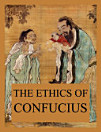
Confucius, who lived from 552 to 480 BCE, was a Chinese thinker, teacher, and moral philosopher whose influence has shaped East Asian civilization for more than two millennia. Born in the state of Lu during a time of political disorder, he spent much of his life seeking to restore harmony through...

Rate this ebook

Tell us what you think.

Reading information

Smartphones and tablets
Install the Google Play Books app for Android and iPad/iPhone. It syncs automatically with your account and allows you to read online or offline wherever you are.
Laptops and computers
You can listen to audiobooks purchased on Google Play using your computer's web browser.
eReaders and other devices
To read on e-ink devices like Kobo eReaders, you'll need to download a file and transfer it to your device. Follow the detailed Help Center instructions to transfer the files to supported eReaders.