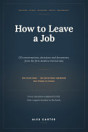
About this ebook
For a lot of people that interval is real, it is long, and nothing inside it responds to effort.
This is a hundred and twenty practical systems for the people it does not come easily to, written out in full. There is not a square bracket in the book, and there is nothing in it about trying harder.
This is a book about systems, not a medical book. It describes no condition, names no medicine, discusses no treatment and makes no diagnosis. It is named for the readers it was written for, and it is just as useful whatever the reason and whether or not any reason has ever been identified.
Starting. Why the problem is not willingness. The absurdly small first action — not the first step, which is still a task, but the first movement. The productive-looking work that is actually avoidance, and the three signs that give it away. Working alongside somebody, which is the strongest technique in the book and requires them to do nothing. The launch ritual. Starting in the middle. The blank page. The task avoided for six weeks, and the five different reasons it might be there.
Time. How long things actually take, measured rather than estimated, and your own personal multiplier. A fortnight of honest recording, which is the most informative exercise here. Time passing without being felt, and the external substitutes that work. Buffers. The getting-ready period, which is where lateness actually lives. Working backwards from a fixed point to produce a start date. Why self-imposed deadlines fail and what to do instead. Alarms that survive being dismissed.
Remembering. Capture within seconds, which is what the whole book rests on. One inbox. The note you will actually be able to use. The launch pad by the door. Designing around the fact that things out of sight stop existing. Keys, wallet and phone, solved permanently. The thing you must not forget tomorrow, made impossible to miss. Names. What was said in the meeting. The ten-minute weekly review that makes every other system work.
Finishing. The eighty percent problem, which does more damage than anything else here, because eighty percent delivers nothing. Why the interest runs out before the work does. Defining done in writing before you start, and including the sending. The last ten percent as a mechanical checklist. Too many things open, and what each one costs while it sits there. The weekly finishing hour. A hard limit on work in progress. And abandoning things properly, which is a completion rather than a failure.
The work itself. Choosing what to do next, when everything feels equally urgent. Interruptions, including the internal ones, which are worse. Where you sit. Notifications. Email. Meetings. Reading something long. The afternoon slump, and what to put in it. Hyperfocus, managed rather than celebrated or suppressed. Your good hours, found from a record and then defended.
Other people. Why lateness is read as an opinion about them. Interrupting. Talking too much. Missing what was said, and repairing it in four seconds. The reply you never sent. Being seen as unreliable — and the finding that four of the five things people judge it by are communication rather than delivery. What to tell a manager, what not to explain, and what to ask for.
The body and the day. Sleep, which determines how much of everything else is available. Mornings. Food. Movement. The phone. Ending the day properly. Rest that actually rests. And four entries on preparing for a conversation with a doctor: whether to go, what to take, what to ask, and what to record between appointments.
And the long run. The job that fits, which matters more than any technique. Interviews. The first months in a new job. Working for yourself. Money. What you are actually good at, written down as evidence. Burnout. The shame that does more damage than any of the difficulties themselves. And how to rebuild after a bad month, one element at a time.
Every entry says where it comes up, answers the two questions people actually ask, and ends with three things to check.
120 systems · 240 questions answered · 360 things to check