About this ebook
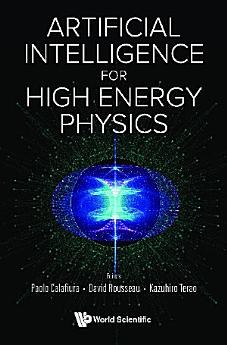
The Higgs boson discovery at the Large Hadron Collider in 2012 relied on boosted decision trees. Since then, high energy physics (HEP) has applied modern machine learning (ML) techniques to all stages of the data analysis pipeline, from raw data processing to statistical analysis. The unique requirements of HEP data analysis, the availability of high-quality simulators, the complexity of the data structures (which rarely are image-like), the control of uncertainties expected from scientific measurements, and the exabyte-scale datasets require the development of HEP-specific ML techniques. While these developments proceed at full speed along many paths, the nineteen reviews in this book offer a self-contained, pedagogical introduction to ML models' real-life applications in HEP, written by some of the foremost experts in their area.
The Higgs boson discovery at the Large Hadron Collider in 2012 relied on boosted decision trees. Since then, high energy physics (HEP) has applied modern machine learning (ML) techniques to all stages of the data analysis pipeline, from raw data processing to statistical analysis. The unique requ...
Discover more
Rate this ebook
Tell us what you think.
Reading information
Smartphones and tablets
Install the Google Play Books app for Android and iPad/iPhone. It syncs automatically with your account and allows you to read online or offline wherever you are.
Laptops and computers
You can listen to audiobooks purchased on Google Play using your computer's web browser.
eReaders and other devices
To read on e-ink devices like Kobo eReaders, you'll need to download a file and transfer it to your device. Follow the detailed Help Center instructions to transfer the files to supported eReaders.