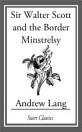
Sir Walter Scott: Restored Classics to Go Edition
About this ebook
Discover more
About the author
Andrew Lang was a remarkably versatile Scottish writer, poet, folklorist, journalist, and critic whose wide-ranging curiosity made him one of the most distinctive literary figures of the late nineteenth and early twentieth centuries. Born in 1844 in Selkirk, he was educated at Edinburgh and Oxford, and his career quickly expanded beyond academic promise into an astonishing body of work that included literary criticism, history, myth, folklore, translation, and children's literature. He became especially admired for his sharp, readable criticism and for his role in collecting and retelling stories from oral traditions across the world, helping to preserve fairy tales, legends, and myths for new generations. His writing often explores the power of narrative, the persistence of ancient traditions, and the tension between imagination and rational modernity, themes that still resonate in an age interested in cultural memory, identity, and the value of storytelling. Lang's work remains significant because he bridged scholarship and popular reading, showing that serious literary culture could also be lively, accessible, and entertaining. His legacy endures in the way readers and writers continue to value folklore, myth, and the art of criticism as living parts of literature. Those who enjoy elegant prose, literary history, fairy tales, and books that connect the past with the present are especially likely to find Andrew Lang rewarding to read.