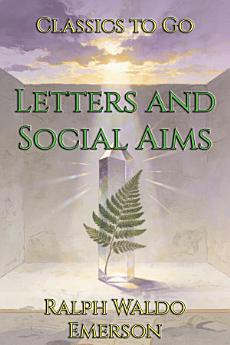
Letters and Social Aims: Restored Classics to Go Edition
About this ebook
About the author
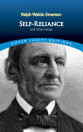
Ralph Waldo Emerson was a defining voice of nineteenth-century American thought, a writer, lecturer, and philosopher whose life traced the making of a distinctly American literary identity. Born in Boston in 1803 and educated at Harvard, he began his career as a Unitarian minister before a crisis of conviction led him away from the pulpit and toward a life of public reflection, travel, and writing. From the circles of New England intellectual life he emerged as the central figure of Transcendentalism, shaping essays, lectures, and poems that encouraged readers to trust intuition, nature, self-reliance, and the dignity of the individual mind. His work helped establish the essay as a major American literary form, and his influence extended across generations of writers, reformers, and thinkers who found in him a model of moral independence and spiritual seriousness. Emerson's writing often returns to the tension between society and the self, urging people to resist conformity while remaining alert to the ethical demands of community, a balance that still feels urgent in an age of noise, pressure, and constant public performance. He wrote with clarity, aphoristic force, and a deep faith in human possibility, making his ideas accessible even when they were lofty. Today, Emerson remains significant because he speaks to readers searching for purpose, resilience, and a more authentic way to live. His legacy endures in American literature, philosophy, and self-understanding, and he is especially rewarding for readers interested in ideas about individuality, nature, civic life, and the inner life of the mind.