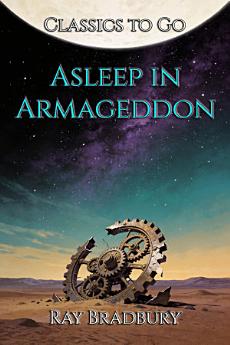
Asleep in Armageddon: Restored Classics to Go Edition
About this ebook
Discover more
About the author
Ray Bradbury (1920–2012) was an American writer whose imagination helped define modern science fiction while reaching far beyond it into fantasy, horror, and lyrical social commentary. Raised in Illinois and later shaped by the creative energy of Los Angeles, he did not attend college, instead educating himself through relentless reading, libraries, and an early devotion to writing that began in childhood. Over a long career, he became one of the most beloved storytellers of the twentieth century, publishing acclaimed novels, short stories, screenplays, and essays that brought him international recognition and lasting influence. His work often explored the tension between innocence and technology, the fragility of memory, the dangers of conformity, and the wonder of discovery, all expressed in a style that was vivid, poetic, and deeply human. Stories such as Asleep in Armageddon show his gift for turning cosmic settings into intimate moral dramas, where loneliness, courage, and the need for connection matter as much as any futuristic invention. Bradbury remains especially relevant today because he understood how progress can both inspire and endanger us, and because he wrote with such tenderness about childhood, imagination, and the responsibilities of being human. Readers who enjoy beautiful prose, thoughtful speculative fiction, and stories that blend wonder with warning will find him endlessly rewarding.