About this ebook
In an interview with Heather Timmons of the New York Times, Bansal explained she decided to use Hinglish as it provides a more direct representation of people's voices and "makes them more real". More recently, Bansal has written another four bestsellers on entrepreneurs: Poor Little Rich Slum, Follow Every Rainbow, Take Me Home and Arise Awake. All are concerned with entrepreneurship with advice on how to succeed. She frequently illustrates her ideas with accounts of those who have risen to unexpected heights.
Discover more
About the author
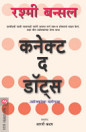
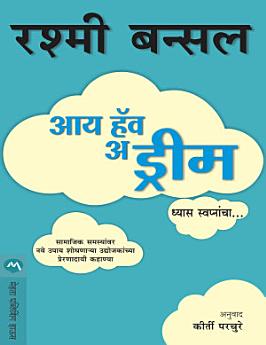
Rashmi Bansal was inspired to write Stay Hungry Stay Foolish (2008) by Rakesh Basant, a professor at IIM Ahmedabad who suggested she should cover the experiences of 25 entrepreneurs from the school. It turned out to be so successful that 100,000 copies were sold in the first 10 months, eventually recording sales of over 350,000. Her next book, Connect the Dots (2010), traced the progress of entrepreneurs without the MBA qualification. It also proved to be a best seller. Her I Have a Dream (2011) focused on social entrepreneurs, introducing an interesting mix of English and Hindi, popularly known as Hinglish, in an attempt to add a more realistic account of her personalities.
In an interview with Heather Timmons of the New York Times, Bansal explained she decided to use Hinglish as it provides a more direct representation of people's voices and "makes them more real". More recently, Bansal has written another four bestsellers on entrepreneurs: Poor Little Rich Slum, Follow Every Rainbow, Take Me Home and Arise Awake. All are concerned with entrepreneurship with advice on how to succeed. She frequently illustrates her ideas with accounts of those who have risen to unexpected heights.
लेखिका, उद्योजिका आणि ‘यूथ एक्स्पर्ट’ आहेत. उद्योजकतेवरील त्यांची चार पुस्तके प्रकाशित झाली असून ती दहा भाषांमध्ये अनुवादित झाली आहेत. त्यांच्या पाच लाखांहून अधिक प्रती विकल्या गेल्या आहेत. रश्मी प्रसिद्ध वक्त्या असून त्या विद्यार्थी आणि तरुण उद्योजकांच्या ‘सल्लागार गुरू’ आहेत. त्यांनी मुंबईच्या सोफिया कॉलेजमधून अर्थशास्त्राची पदवी मिळवली आणि अहमदाबाद येथील ‘इंडियन इन्स्टिटयूट ऑफ मॅनेजमेंट’मधून एमबीए केले. ‘Youth Curry’ हा त्यांचा ब्लॉग प्रसिद्ध असून त्या फेसबुक, ट्विटर यांसारख्या विविध सोशल नेटवर्किंग साइट्सवर सक्रिय आहेत.