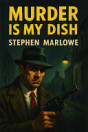
About this ebook
The novel follows Drum as he takes on a case that begins simply but soon entangles him in a web of murder, betrayal, and international intrigue. Marlowe's writing balances tough action with psychological insight, portraying Drum not as a mere archetype but as a fully realized character whose moral code is constantly tested. The streets are filled with suspects, the women are dangerous, and the stakes are as high as the body count.
Like much of Marlowe's work, Homicide Is My Game combines the traditions of classic pulp detective fiction with a modern sensibility, offering a hero who is both cynical and deeply human. The novel's lean prose and relentless tension make it a standout in mid-20th-century American noir, appealing to fans of Raymond Chandler and Mickey Spillane while showcasing Marlowe's own distinctive style.
Discover more
About the author
Stephen Marlowe (1928–2008), born Milton Lesser, was an American author celebrated for his prolific contributions to crime fiction, science fiction, and literary novels. Best known under his Marlowe pseudonym, he created the enduring private detective Chester Drum, who appeared in over two dozen novels between the 1950s and 1970s. These books, including Homicide Is My Game and Violence Is My Business, blended classic hardboiled tropes with Cold War–era intrigue, often sending Drum into international settings. Marlowe's crisp prose, sardonic wit, and psychological depth distinguished him from many of his pulp contemporaries. Beyond crime fiction, he wrote historical and biographical novels, notably The Memoirs of Christopher Columbus, which won international acclaim. Over a five-decade career, Marlowe published more than fifty books under his own name and various pseudonyms, leaving a legacy as one of the most versatile and inventive American writers of his generation.