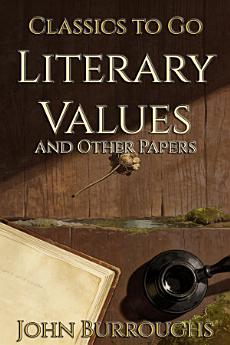
Literary Values: Restored Classics to Go Edition
About this ebook
About the author
John Burroughs was an American naturalist, essayist, and one of the most beloved literary voices of the late nineteenth and early twentieth centuries, born in rural Catskill, New York, and shaped by a childhood spent close to fields, woods, and rivers. After working in teaching and government service, he found his true calling in writing, becoming a celebrated observer of nature and a graceful interpreter of ordinary life. His essays helped define American nature writing by blending close attention to birds, seasons, and landscapes with reflection, humor, and a gentle moral vision. Beyond his outdoor subjects, he also wrote thoughtfully about books, reading, and the habits of mind that make literature meaningful, showing a deep belief that art should sharpen perception and enrich daily experience. His work often returns to themes of simplicity, attentiveness, freedom, and the restorative power of the natural world, ideas that feel especially urgent today in an age of distraction and environmental strain. Burroughs remains significant because he taught readers to look more carefully and live more deliberately, and his clear, companionable style still invites modern audiences into a slower, more appreciative way of seeing. Readers who love nature writing, reflective essays, and prose that is both wise and quietly uplifting will find him especially rewarding.


