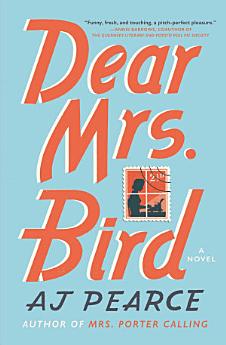
Dear Mrs. Bird: A Novel
Jul 2018 · The Emmy Lake Chronicles Book 1 · Sold by Simon and Schuster
star
4 reviews
Ebook
288
Pages
family_home
Eligible
info
About this ebook
This charming, irresistible debut novel set in London during World War II about a young woman who longs to be a war correspondent and inadvertently becomes a secret advice columnist is “a jaunty, heartbreaking winner” (People)—for fans of The Guernsey Literary and Potato Peel Pie Society and Lilac Girls.
Emmeline Lake and her best friend Bunty are doing their bit for the war effort and trying to stay cheerful, despite the German planes making their nightly raids. Emmy dreams of becoming a Lady War Correspondent, and when she spots a job advertisement in the newspaper she seizes her chance; but after a rather unfortunate misunderstanding, she finds herself typing letters for the formidable Henrietta Bird, renowned advice columnist of Woman’s Friend magazine.
Mrs. Bird is very clear: letters containing any Unpleasantness must go straight into the bin. But as Emmy reads the desperate pleas from women who many have Gone Too Far with the wrong man, or can’t bear to let their children be evacuated, she begins to secretly write back to the readers who have poured out their troubles.
“Fans of Jojo Moyes will enjoy AJ Pearce’s debut, with its plucky female characters and fresh portrait of women’s lives in wartime Britain” (Library Journal)—a love letter to the enduring power of friendship, the kindness of strangers, and the courage of ordinary people in extraordinary times. “Headlined by its winning lead character, who always keeps carrying on, Pearce's novel is a delight” (Publishers Weekly). Irrepressibly funny and enormously moving, Dear Mrs. Bird is “funny and poignant…about the strength of women and the importance of friendship” (Star Tribune, Minneapolis).
Emmeline Lake and her best friend Bunty are doing their bit for the war effort and trying to stay cheerful, despite the German planes making their nightly raids. Emmy dreams of becoming a Lady War Correspondent, and when she spots a job advertisement in the newspaper she seizes her chance; but after a rather unfortunate misunderstanding, she finds herself typing letters for the formidable Henrietta Bird, renowned advice columnist of Woman’s Friend magazine.
Mrs. Bird is very clear: letters containing any Unpleasantness must go straight into the bin. But as Emmy reads the desperate pleas from women who many have Gone Too Far with the wrong man, or can’t bear to let their children be evacuated, she begins to secretly write back to the readers who have poured out their troubles.
“Fans of Jojo Moyes will enjoy AJ Pearce’s debut, with its plucky female characters and fresh portrait of women’s lives in wartime Britain” (Library Journal)—a love letter to the enduring power of friendship, the kindness of strangers, and the courage of ordinary people in extraordinary times. “Headlined by its winning lead character, who always keeps carrying on, Pearce's novel is a delight” (Publishers Weekly). Irrepressibly funny and enormously moving, Dear Mrs. Bird is “funny and poignant…about the strength of women and the importance of friendship” (Star Tribune, Minneapolis).
This charming, irresistible debut novel set in London during World War II about a young woman who longs to be a war correspondent and inadvertently becomes a secret advice columnist is “a jaunty, heartbreaking winner” (People)—for fans of The Guernsey Literary and Potato Peel Pie Society and Lila...
Discover more
Ratings and reviews
4 reviews

Hal Kid Jr.
- Flag inappropriate
June 21, 2025
A World War II novel unlike any other. Starts with one tone but slowly shifts to illustrate how the experience of war changes over time. Also speaks to the stories of women on the Homefront, more than men in battle.

Gaele Hi
- Flag inappropriate
July 3, 2018
A Favorite! Emmeline Lake has had one goal since childhood: she wants to be a Lady War Correspondent and make a difference. Engaged to her childhood boyfriend, sharing a flat with her best friend Bunty with whom she shares everything, the two are working and ‘doing their part’ for the war with Bunty at the war office and Emme working for a solicitor, but volunteering with the Fire Auxiliary on overnight shifts as they dispatch fire and rescue crews throughout London after bombs are dropped. Desperate to be ‘in journalism” she catches a small advert for the publisher of the London Evening Chronicle and her imagination, and hopes run wild. A letter is sent, an interview arranged, and Emme soon finds herself daydreaming of exotic locations, finding a scoop and all of the many ‘journo stereotypes’ she’s seen in film. And she is more than excited, sharing her news with all who will listen, when the job is hers. Arriving at the office, Emme soon finds that she is working directly for Mrs. Bird: the editress of Woman’s Friend, one of the many woman-centric magazines with fiction, patterns, recipes and tips and, an advice column. Emme’s job is to type up whatever is needed, and sort through the letters coming to Henrietta Helps, the advice column (half page, second from last) of the magazine. Now, Mrs. Bird is brash, overbearing and more than a bit regressive. Her advice is meant only for the steel-skinned, and full of “stiff upper lip’ and ‘deal with it”, and her list of UNACCEPTABLE (and yes, Mrs. Bird is a shouter) topics include relations (married, pre-marital, affairs, thought of, difficulty with), fear of war, nerves, the war, Hitler, complaints about war, choices about evacuating children, missing said children… essentially, if it’s something that everyone BUT Mrs. Bird is struggling with – it’s forbidden. But Emme is different: seeing her own self, or her friends in some of the questions, and knowing that people are often afraid to speak with friends about their worries as everyone is trying to keep moving forward bravely, and wanting to help – she starts to answer some of the questions, herself. Some she simply mails a response back, then with a dash of bravery and foolhardiness, she puts on in the magazine. The real issue here is Emme doesn’t know what she doesn’t know – and the chance of her being caught are greater, and more dire, than she could believe. What emerges here is a lovely story with what has to be one of the strongest and most palpable characters in a debut offering that I have ever read. Emme is kind and determined, if a bit headstrong, and often believes that she, and she alone, can keep her friends, co-workers and even her little place in the world happy and safe. This often means that she’s a tiny bit of a martinet, with all the best intentions: she wants to keep her friends happy and safe, and she’s doing all she can to make it so. Told from Emme’s perspective, we see her grow and come to understand the scope and challenges of the war and for the people she loves, and when it all comes to a head with a separation from Bunty who has always been there, her depression throws her into doubling down on both her letters and her work – overnight shifts for the brigade, mornings at the magazine office – the telling statement of her not knowing how they did it all, all are both typically British in feel, and wholly unique as Emme takes us through war-time London, showing us the moments of fear, destruction and kindnesses shown. Unlike what I expected, in all of the best ways, A.J. Pearce is an author to watch, particularly notable for her strong character development and growth, and the palpable and lifelike voice in which Emme shares her tale. I received an eArc copy of the title from the publisher via Edelweiss for purpose of honest review. I was not compensated for this review: all conclusions are my own responsibility.
5 people found this review helpful
About the author
AJ Pearce grew up in Hampshire, England. She studied at the University of Sussex and Northwestern University. A chance discovery of a 1939 women’s magazine became the inspiration for her series The Emmy Lake Chronicles, which includes Dear Mrs. Bird, Yours Cheerfully, and Mrs. Porter Calling. She lives in the south of England.
AJ Pearce grew up in Hampshire, England. She studied at the University of Sussex and Northwestern University. A chance discovery of a 1939 women’s magazine became the inspiration for her series The Emmy Lake Chronicles, which includes Dear Mrs. Bird, Yours Cheerfully, and Mrs. Porter Calling. She...
Rate this ebook
Tell us what you think.
Reading information
Smartphones and tablets
Install the Google Play Books app for Android and iPad/iPhone. It syncs automatically with your account and allows you to read online or offline wherever you are.
Laptops and computers
You can listen to audiobooks purchased on Google Play using your computer's web browser.
eReaders and other devices
To read on e-ink devices like Kobo eReaders, you'll need to download a file and transfer it to your device. Follow the detailed Help Center instructions to transfer the files to supported eReaders.