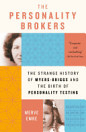
Paraliterary: The Making of Bad Readers in Postwar America
Nov 2017 · University of Chicago Press
Ebook
304
Pages
family_home
Eligible
info
About this ebook
"[Emre's] intellectual moves . . . are many, subtle, and a pleasure to follow. . . . None of her bad readers could have written this very good book." — Los Angeles Review of Books
Literature departments tend to be focused on turning out, "good" readers—attentive to nuance, aware of history, interested in literary texts as self-contained works. But the majority of readers are, to use Merve Emre's tongue-in-cheek term, "bad" readers. They read fiction and poetry to be moved, distracted, instructed, improved, engaged as citizens. How should we think about those readers, and what should we make of the structures, well outside the academy, that generate them?
We should, Emre argues, think of such readers not as non-literary but as paraliterary—thriving outside literary institutions. She traces this phenomenon to the postwar period, when literature played a key role in the rise of American power. At the same time as American universities were producing good readers by the hundreds, many more thousands of bad readers were learning elsewhere to be disciplined public communicators, whether in diplomatic and ambassadorial missions, private and public cultural exchange programs, multinational corporations, or global activist groups. As we grapple with literature's diminished role in the public sphere, Paraliterary suggests a new way to think about literature, its audience, and its potential, one that looks at the civic institutions that have long engaged readers ignored by the academy.
" Paraliterary does for . . . reading . . . what The Program Era did for writing: profoundly upend what we thought we knew about how institutions other than the university have shaped our culture and our engagement with it." —Deborah Nelson, University of Chicago
"[Emre's] intellectual moves . . . are many, subtle, and a pleasure to follow. . . . None of her bad readers could have written this very good book." — Los Angeles Review of Books
Literature departments tend to be focused on turning out, "good" readers—attentive to nuance, aware of history, inte...
Discover more
About the author
Merve Emre is assistant professor of English at McGill University.
Merve Emre is assistant professor of English at McGill University.
Rate this ebook
Tell us what you think.
Reading information
Smartphones and tablets
Install the Google Play Books app for Android and iPad/iPhone. It syncs automatically with your account and allows you to read online or offline wherever you are.
Laptops and computers
You can listen to audiobooks purchased on Google Play using your computer's web browser.
eReaders and other devices
To read on e-ink devices like Kobo eReaders, you'll need to download a file and transfer it to your device. Follow the detailed Help Center instructions to transfer the files to supported eReaders.