About this ebook
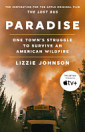
On a clear October morning, the town of Paradise, California, was a thriving community of 26,000 people. Within hours, it was reduced to ash. The Camp Fire—driven by unprecedented winds, record heat, and decades of accumulated fuel—moved faster than anyone could have imagined. Eighty-five people perished. Nearly nineteen thousand structures were destroyed. And the world watched as orange skies became the haunting symbol of a new reality.
That fire was not an anomaly. It was a warning.
Fire Weather: Life on the Front Lines of a World Transformed by Wildfire takes you inside the most urgent environmental crisis of our time. With cinematic storytelling and scientific rigor, this book reveals the forces that are reshaping our planet—and the human cost of a world that is burning faster than we can control.
Why are wildfires becoming more destructive? Rising global temperatures, prolonged drought, and extreme fire weather are creating conditions that were unimaginable just decades ago. Fires now generate their own weather systems, spawning tornadoes of flame and smoke that travels across continents. The science is clear: we have entered the megafire era.
What happens when communities are caught in the path? This book puts you in the chaos of evacuation—the gridlocked roads, the desperate escapes, the minutes that decide survival. Through the eyes of survivors and the voices of firefighters who risk everything, you will experience the terror and the resilience of those who have faced the flames.
What is the true cost of wildfire? Beyond the billions in property damage, the collapse of insurance markets, and the strain on government resources, the psychological toll is immeasurable. Children who will never forget the orange sky. Families displaced from generations-old homes. Firefighters bearing the scars of trauma and exposure. This is the hidden devastation that headlines cannot capture.
Is there hope? Yes—but not through denial. Fire Weather explores the path forward: the revival of Indigenous fire stewardship, smarter forest management, fire-resistant architecture, and the technologies that could transform our response. The choices we make today will determine whether we cross the tipping point or build a future of resilience.
What you will discover inside:
The science behind fire-generated weather systems that create their own tornados and lightning
The century of fire mismanagement that turned forests into tinderboxes
The human stories of escape, survival, and the psychological aftermath of disaster
The economic collapse of insurance markets and who ultimately pays the price
How climate change and fire create a dangerous feedback loop
The emerging technologies—from autonomous helicopters to AI detection—that could save lives
How communities are learning to adapt and what you can do to prepare
Fire Weather is not just a book about wildfires. It is a book about the world we are creating—and the world we still have time to shape. It is a call to action, a work of urgent journalism, and a testament to the human spirit in the face of unimaginable forces.
The future is not written in ash. It is waiting for us to act.
Discover more
About the author
John Williams is a nonfiction writer focused on climate change, environmental risk, and modern disaster systems. His work explores the intersection of science, human survival, and the increasing impact of extreme weather events on communities around the world.
With a strong interest in environmental science and real-world reporting, Williams aims to make complex topics such as wildfire behavior, climate change, and disaster preparedness accessible to general readers. His writing blends research-driven insight with human-centered storytelling to highlight both the science behind modern crises and the people living through them.
Fire Weather: Life on the Front Lines of a World Transformed by Wildfire is part of his ongoing effort to document the realities of a rapidly changing planet and to help readers better understand the risks shaping the future of communities worldwide.