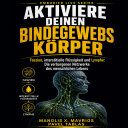
About this ebook
The text deconstructs the dynamic, millimeter-scale alterations of the inferior turbinates—highly vascularized structures that behave like erectile tissue. Guided by Poiseuille’s Law of fluid dynamics, the authors illustrate how a minor 50% reduction in nasal radius causes a catastrophic 16-fold increase in airflow resistance, throwing the body into autonomic panic. The book systematically maps out the convergence of physical forces (hydrostatic pooling from a supine posture) , autonomic shifts (parasympathetic vasodilation) , and circadian biology (a 2:00 AM surge in localized histamine degranulation) that shatters slow-wave and REM sleep architecture without the sleeper ever consciously waking up.
Moving beyond diagnosis, the book introduces groundbreaking physiological insights, such as the "Paracetamol Paradox"—explaining how acetaminophen cross-references the endocannabinoid and thermoregulatory systems to stabilize a collapsing airway. The text culminates in a step-by-step, multidisciplinary engineering protocol—utilizing Inclined Bed Therapy, bedroom microclimate control, and dietary optimization—to permanently secure upper airway patency and safeguard the long-term health of the brain, gut, and cardiovascular systems.
Discover more
Ratings and reviews
About the author
Manolis X. Mavrios is one of the co-authors of the book Activate Your Nasal Airways: Reclaiming Your Sleep Architecture from Nasal Resistance, which he wrote alongside Pavel Tablas and in collaboration with bio-engineer Dr. Alistair Finch.
While the text serves as a technical and physiological manual rather than a personal biography, it establishes Mavrios's work as part of a cutting-edge movement toward "root-cause physiological engineering". He and his co-authors advocate for moving away from traditional, reactive pharmaceutical treatments (like steroid sprays or antihistamines) and instead treating the human body as an interconnected system that can be bio-mechanically optimized for health