About this ebook
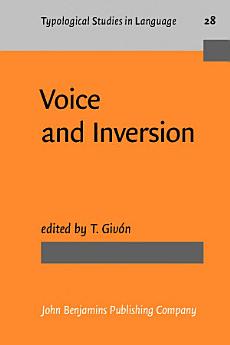
This collection aims first to establish a structure-independent, language-independent definition of pragmatic voice, and more specifically then a universal functional definition of inverse. The grammar and pragmatic function of the four major voice constructions direct-active, inverse, passive, antipassive are surveyed using narrative texts from 14 languages: Koyukon (Athabascan), Plains Cree (Algonquian), Chepang (Tibeto-Burman), Squamish and Bella Coola (Salish), Sahaptin (Sahaptian), Kutenai (isolate), Surinam Carib (Carib), Spanish and Greek (Indo-European), Korean, Maasai (Nilotic), Cebuano and Karao (Philippine). The comparative quantified study of pragmatic voice functions tests the validity of a universal functional definition of voice and in particular of inverse. The cross-language comparison of grammatical structures that code the various voice functions then lays down the foundation for a non-trivial cross-language typology of inverse.
This collection aims first to establish a structure-independent, language-independent definition of pragmatic voice, and more specifically then a universal functional definition of inverse. The grammar and pragmatic function of the four major voice constructions direct-active, inverse, passiv...
Discover more
Rate this ebook
Tell us what you think.
Reading information
Smartphones and tablets
Install the Google Play Books app for Android and iPad/iPhone. It syncs automatically with your account and allows you to read online or offline wherever you are.
Laptops and computers
You can listen to audiobooks purchased on Google Play using your computer's web browser.
eReaders and other devices
To read on e-ink devices like Kobo eReaders, you'll need to download a file and transfer it to your device. Follow the detailed Help Center instructions to transfer the files to supported eReaders.