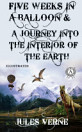
FIVE WEEKS IN A BALLOON
About this ebook
Combining exploration, science, and imagination, Jules Verne’s classic novel captures the spirit of 19th-century discovery and adventure. Filled with suspense, unexpected encounters, and vivid descriptions of landscapes and cultures, the book showcases Verne’s talent for blending scientific ideas with thrilling storytelling.
First published in 1863, Five Weeks in a Balloon established Jules Verne as a master of adventure fiction and remains a beloved classic of world literature.
Discover more
About the author
Jules Verne (1828–1905) was a French novelist, poet, and playwright widely regarded as one of the pioneers of science fiction. Born in Nantes, France, Verne became famous for his imaginative adventure stories that combined scientific ideas, exploration, and thrilling narratives.
Best known for his celebrated works such as Twenty Thousand Leagues Under the Sea, Journey to the Center of the Earth, and Around the World in Eighty Days, Verne inspired generations of readers with his visionary concepts and detailed descriptions of exploration and technology. His novel Five Weeks in a Balloon marked the beginning of his famous Voyages Extraordinaires series and established his reputation as a master of adventure fiction.
Through his creativity and scientific imagination, Jules Verne remains one of the most influential authors in world literature.