About this ebook
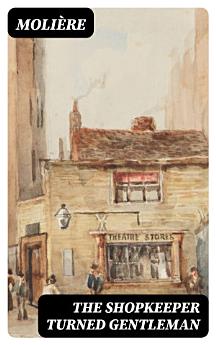
In "The Shopkeeper Turned Gentleman," Molière crafts a brilliant comedy that satirizes social pretensions and the absurdities of class ambition. The play unfolds the story of Monsieur Jourdain, a bourgeois shopkeeper who aspires to ascend the social ladder by adopting the manners of the nobility. Molière employs sharp wit and intricate dialogue, interspersed with farcical elements, to expose the folly of those who seek to reinvent themselves without the requisite understanding of the culture they wish to join. The work is steeped in the rich context of 17th-century France, where the rise of the bourgeois class was met with both admiration and ridicule, illustrating the tensions between social mobility and established aristocratic norms. Molière, born Jean-Baptiste Poquelin in 1622, was a pioneering figure in French theatre known for his incisive critiques of contemporary society. His own experiences in the world of theater and his observations of social dynamics profoundly influenced his writing. "The Shopkeeper Turned Gentleman" reflects Molière's disdain for the superficiality of social climbers, likely inspired by his encounters with the complexities of class distinctions in his own life. This timeless comedy is highly recommended for readers interested in the intersection of humor and social commentary. Molière's masterful observation of human folly and desire for acceptance makes this work resonate even today, inviting reflection on our own societal constructs and the masks we wear. Dive into this delightful narrative and relish Molière's enduring wit and wisdom.
In "The Shopkeeper Turned Gentleman," Molière crafts a brilliant comedy that satirizes social pretensions and the absurdities of class ambition. The play unfolds the story of Monsieur Jourdain, a bourgeois shopkeeper who aspires to ascend the social ladder by adopting the manners of the nobility....
Discover more
About the author
Jean-Baptiste Poquelin, known by his stage name Molière (1622–1673), was a seminal French playwright and actor who is often regarded as one of the greatest masters of comedy in Western literature. Born into a prosperous family, Molière abandoned a privileged life and law education to pursue theater. He founded the Illustre Théâtre with actress Madeleine Béjart but faced debt and imprisonment early on. Despite these setbacks, his sharp wit and talent led him to eventually earn the patronage of Louis XIV. Molière's work varied from farce to high comedy and satirized the social and religious pretensions of his time. He combined Italian commedia dell'arte elements with French farcical traditions, creating a unique theater that resonates with modern audiences. His comedies include critiques of social norms and highlight character flaws that lead to humorous situations. One of his notable works, 'The Shopkeeper Turned Gentleman' ('Le Bourgeois gentilhomme'), provides a satirical look at pretentiousness and social climbing, themes that recur in his oeuvre. Molière's influence on the comedic genre is vast, and his plays are still performed worldwide, reflecting the enduring appeal of his keen observations of human nature and society.
Jean-Baptiste Poquelin, known by his stage name Molière (1622–1673), was a seminal French playwright and actor who is often regarded as one of the greatest masters of comedy in Western literature. Born into a prosperous family, Molière abandoned a privileged life and law education to pursue theat...
Rate this ebook
Tell us what you think.
Reading information
Smartphones and tablets
Install the Google Play Books app for Android and iPad/iPhone. It syncs automatically with your account and allows you to read online or offline wherever you are.
Laptops and computers
You can listen to audiobooks purchased on Google Play using your computer's web browser.
eReaders and other devices
To read on e-ink devices like Kobo eReaders, you'll need to download a file and transfer it to your device. Follow the detailed Help Center instructions to transfer the files to supported eReaders.