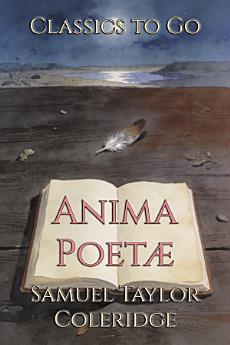
Anima Poetæ: Restored Classics to Go Edition
About this ebook
About the author
Samuel Taylor Coleridge was born in 1772 in Devon, England, and became one of the most original voices of the Romantic era, a poet, critic, philosopher, and conversationalist whose restless mind shaped English literature in lasting ways. Educated at Cambridge but drawn away by political idealism, he lived through periods of intense creative brilliance, travel, friendship, family life, illness, and long struggle with opium addiction, experiences that gave his writing both its visionary energy and its deep sense of human fragility. He is best remembered for poetry, literary criticism, and reflective prose that helped define Romanticism through its fascination with imagination, nature, the supernatural, memory, and the inner life of the mind. His work often explores guilt, redemption, spiritual yearning, and the uneasy boundary between reason and dream, themes that still feel strikingly modern in an age concerned with mental health, creativity, and the search for meaning. Coleridge's influence reaches beyond poetry into criticism and philosophy, where his ideas about imagination and interpretation continue to shape how readers think about art and consciousness. His legacy endures because he wrote with rare intellectual daring and emotional depth, offering not only beautiful language but also a profound inquiry into what it means to be human. Readers who enjoy lyric poetry, reflective essays, and books that blend beauty with thought will find him especially rewarding.