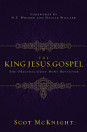
Jesus, People, Pharisees: Exploring the Conflict in Galilee
About this ebook
As a result, Jesus' contentious relations with the Pharisees are best understood as a conflict over political power, not religious scruples. The Pharisees in Galilee were agents of the temple authorities, who were ultimately concerned about the Roman authorities and therefore attempted to prevent the crowds around Jesus from forming into rebellions, riots, or revolution. Jesus, on the other hand, was forming a network of kingdom followers who were drawn increasingly from the crowds, and the powers in Rome sent the Pharisees, who were popular with the crowds, to calm a potential problem.
Discover more
About the author
Scot McKnight has been a professor of the New Testament for more than four decades, teaching both in the USA and in England. He is the author of more than ninety books and specializes in Jesus and the Gospel studies.