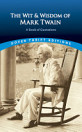
Editorial Wild Oats: Restored Classics to Go Edition
About this ebook
Discover more
About the author
Mark Twain, born Samuel Langhorne Clemens in Missouri in 1835, grew up along the Mississippi River, a landscape that would shape both his imagination and his enduring literary voice. After working as a printer's apprentice, riverboat pilot, miner, reporter, and lecturer, he turned his sharp eye for human folly into a career as one of America's most celebrated writers and public figures. His fiction, travel writing, essays, and speeches helped define a distinctly American style, blending humor, vernacular speech, social criticism, and a deep sympathy for ordinary people. Twain's best work often exposes hypocrisy, prejudice, greed, and the absurdities of power, while also celebrating freedom, friendship, and the restless spirit of youth. That balance of wit and moral seriousness keeps his writing strikingly relevant today, especially in an age still wrestling with inequality, public deception, and the tension between conscience and convenience. He remains a foundational figure in American literature because he made local speech and lived experience feel universal, influencing generations of writers who followed. Readers who enjoy clever satire, adventurous storytelling, and sharp observations about society will find Twain especially rewarding.