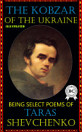
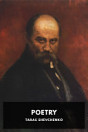
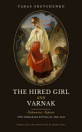
Taras Shevchenko: Restored Classics to Go Edition
About this ebook
About the author
Taras Shevchenko was born in 1814 into serfdom in what is now central Ukraine, and his life became one of the most powerful stories of artistic freedom in European literature. Orphaned early and denied the rights of a free person, he was eventually recognized for his talent, liberated from bondage, and trained as an artist and writer, a rare journey that shaped both his imagination and his fierce moral vision. As a poet, painter, and public voice for his people, he helped define modern Ukrainian literature, creating work that gave dignity to ordinary lives while challenging oppression, injustice, and imperial domination. His writing is rooted in folk memory, national history, exile, suffering, faith, and the longing for freedom, yet it also speaks to universal experiences of loss, resilience, and the struggle to preserve identity under pressure. Shevchenko's influence reaches far beyond his own century: he became a symbol of cultural self-determination and a reminder that literature can help a nation imagine itself into being. Today, his work remains especially relevant to readers interested in freedom, human rights, and the power of language to resist erasure. Those who enjoy emotionally charged poetry, historically grounded writing, and authors whose lives are inseparable from their art will find Shevchenko especially rewarding.