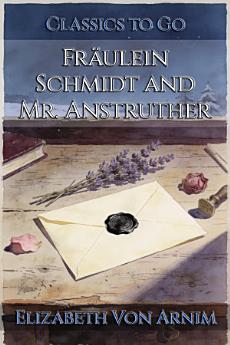
Fräulein Schmidt and Mr. Anstruther: Restored Classics to Go Edition
About this ebook
Discover more
About the author
Elizabeth von Arnim, born Mary Annette Beauchamp in Australia in 1866 and later shaped by life in England and on the Continent, was a novelist whose wit, intelligence, and independence made her one of the most distinctive voices of the early twentieth century. Her first marriage took her to Germany, where she encountered the social constraints and private frustrations that would later feed her fiction, and after becoming widowed she built a remarkable literary career that combined sharp observation with a light, deceptively elegant touch. She wrote novels, memoirs, and comic social satires that often explored marriage, class, female selfhood, and the tension between duty and desire, earning a wide readership for her ability to make private emotional dramas feel both intimate and universal. Her work is especially admired for its blend of irony and sympathy: she could expose vanity, convention, and romantic illusion without losing sight of the loneliness and longing beneath them. That balance gives her writing enduring relevance today, particularly for readers interested in women's inner lives, the costs of conformity, and the quiet forms of resistance available in everyday life. Elizabeth von Arnim's legacy lies in her ability to make social comedy feel psychologically acute and emotionally honest, and she remains a rewarding read for anyone who enjoys elegant prose, keen character study, and novels that are at once charming, wise, and subtly subversive.