About this ebook
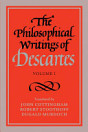
Building on his earlier works, Descartes sought to create a unified structure that could explain both metaphysical and physical phenomena through clear and unambiguous reasoning. The Principles laid the foundation for modern natural philosophy by combining metaphysics and physics and giving attention to the use of mathematical principles to understand the laws of nature. This work shows Descartes' commitment to methodological doubt and deductive reasoning as a means of attaining certainty, and further developed his dualistic view of mind and body. It also aimed to reconcile the emerging scientific methods with a rationalist metaphysical foundation, thereby influencing later developments in philosophy, mathematics, and physics. Descartes' distinction between res cogitans (thinking substance) and res extensa (extended substance) would shape the intellectual debates of the Enlightenment, questioning both scholasticism and empiricism.
Written in Latin to reach an academic audience, the text moves from basic metaphysical principles through natural philosophy to his mechanistic physics.
This edition contains a timeline of Descartes' life and works, a glossary of Cartesian terminology, and Afterword by the translator that explains the meaning of Descartes' work in modern philosophy and science, especially his method of skepticism and rationalism.