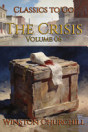
The Crisis: Restored Classics to Go Edition
About this ebook
Discover more
About the author
Winston Churchill was a towering British statesman, soldier, journalist, and writer whose life spanned the upheavals of the late Victorian era, two world wars, and the remaking of modern Britain. Born into the aristocratic Churchill family in 1874, he built an early reputation through military service, war correspondence, and a restless political career that took him from youthful controversy to the highest office in the land as Prime Minister during Britain's darkest hours. Alongside his public life, he developed a formidable literary voice, producing histories, speeches, memoirs, and political writing of remarkable energy, clarity, and dramatic force. His work often returns to themes of leadership under pressure, national resolve, freedom, duty, and the moral cost of conflict, making it resonate well beyond its original moment. Churchill's prose helped shape how the twentieth century understood war, democracy, and resilience, and his ability to turn events into vivid narrative remains influential today. At the same time, readers continue to debate his legacy, recognizing both his brilliance and the controversies that shadowed his career, which only deepens his importance as a historical figure. He remains a compelling read for anyone interested in politics, military history, public speaking, or the art of making history feel immediate and alive.