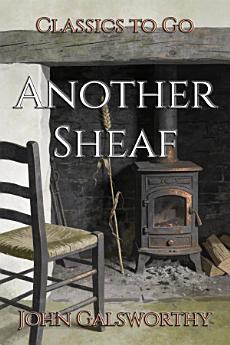
Another Sheaf: Restored Classics to Go Edition
About this ebook
Discover more
About the author
John Galsworthy was an English novelist, playwright, and essayist born in 1867 into a prosperous family, educated at Harrow and Oxford, and originally trained for a legal career before literature became his true calling. His early years gave him a close view of the social world that would later inform his fiction, and his travels abroad broadened his sense of class, custom, and human struggle. He emerged as one of the major literary voices of the early twentieth century, admired for his clear, elegant prose and for his ability to portray the tensions between wealth, duty, desire, and moral responsibility. Across his novels, plays, and essays, he returned again and again to questions of social injustice, the loneliness of family life, the cost of property and status, and the need for compassion in a changing world. These concerns helped make him a leading chronicler of Edwardian and post-Edwardian society, and they still resonate today in an age preoccupied with inequality, inheritance, and the fragile bonds between private conscience and public life. His work earned him lasting recognition and the Nobel Prize in Literature, and his legacy endures in his humane, observant treatment of people caught between tradition and change. Readers who enjoy thoughtful social fiction, finely drawn family drama, and literature that combines moral seriousness with emotional restraint will find Galsworthy especially rewarding.