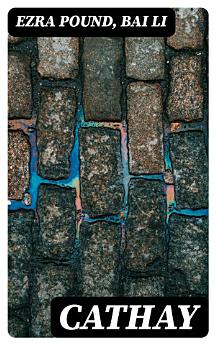
Cathay
Ezra Pound · Bai Li
May 2022 · DigiCat
Ebook
10
Pages
family_home
Eligible
info
About this ebook
Cathay is a compelling anthology that bridges the chasm between the East and the West through an evocative fusion of literary styles and themes. This collection resonates with the voice of modernism, deeply influenced by both ancient Chinese poetry and Western poetic forms. By juxtaposing hauntingly vivid translations with Pound's transformative adaptations, the anthology captures the timelessness of sentiment and experience that speaks across centuries. It stands as a testament to literary innovation and intercultural dialogue, drawing attention to standout renditions such as "The River-Merchant's Wife: A Letter," which encapsulates emotional depth and precision, emblematic of the anthology as a whole. The contributors comprise a remarkable confluence of literary influences, with Ezra Pound as the editor, working harmoniously alongside the timeless verses of Bai Li. Their combined efforts create a channel between two distinct but remarkably harmonious literary traditions. Pound's modernist lens transforms these historical works, largely from the Tang Dynasty, infusing them with the cadence and sensibility of early 20th-century poetry. Through Pound's editorial vision and Bai Li's ancient lyricism, readers are privy to a rare symbiosis of cultural and temporal dialogues within the anthology. Cathay offers readers an unparalleled opportunity to explore the interwoven tapestries of diverse poetic traditions. This collection is an invaluable resource for those seeking a deeper understanding of the cross-cultural exchanges that define global literary heritage. By studying this anthology, readers are invited to engage in a contemplative exploration of universal themes like love, loss, and the passage of time, beautifully conveyed through divergent cultural lenses. It is a significant work for any enthusiast of poetry, history, or cultural studies, providing educational enrichment and fostering appreciation for timeless literary narratives.
Cathay is a compelling anthology that bridges the chasm between the East and the West through an evocative fusion of literary styles and themes. This collection resonates with the voice of modernism, deeply influenced by both ancient Chinese poetry and Western poetic forms. By juxtaposing hauntin...
About the author
Ezra Weston Loomis Pound (1885–1972) was an expatriate American poet and critic, a major figure in the early modernist movement. His contribution to poetry began with his development of Imagism, a movement derived from classical Chinese and Japanese poetry, stressing clarity, precision, and economy of language. Pound's literary career was marked by his ability to promote, discover, and help shape the work of others, including T.S. Eliot, James Joyce, and Ernest Hemingway. His own writings include a formidable body of critical essays, articles, and books on subjects ranging from medieval literature to modern economics. 'Cathay' (1915), perhaps Pound's best-known work, is a collection of poems that showcase his exquisite craft as a translator—although he spoke no Chinese. Instead, working from the notes of a sinologist, Ernest Fenollosa, Pound transformed well-known poems into a version of English verse that revealed new poetic vistas. It is through works like 'Cathay' that Pound had an enduring impact on modern literature, influencing countless poets and writers. Despite the controversy that enshrouded his later life due to his political views and World War II broadcasts, which led to charges of treason against the United States, Pound's literary achievements remain pivotal in the study and appreciation of modernist literature.
Ezra Weston Loomis Pound (1885–1972) was an expatriate American poet and critic, a major figure in the early modernist movement. His contribution to poetry began with his development of Imagism, a movement derived from classical Chinese and Japanese poetry, stressing clarity, precision, and econo...
Rate this ebook
Tell us what you think.
Reading information
Smartphones and tablets
Install the Google Play Books app for Android and iPad/iPhone. It syncs automatically with your account and allows you to read online or offline wherever you are.
Laptops and computers
You can listen to audiobooks purchased on Google Play using your computer's web browser.
eReaders and other devices
To read on e-ink devices like Kobo eReaders, you'll need to download a file and transfer it to your device. Follow the detailed Help Center instructions to transfer the files to supported eReaders.