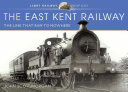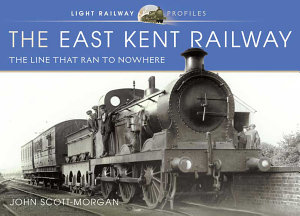
The East Kent Railway: The Line That Ran to Nowhere
Jul 2021 · Pen and Sword Transport
Ebook
208
Pages
family_home
Eligible
info
About this ebook
The East Kent Railway was one of Britain's less well known light railways, a part of the Colonel Stephens group of lines, the East Kent Railway was meant to open up the newly discovered Kent coal field and help to make its shareholders wealthy, however things took a different turn, when the projected colliery's along the line did not materialise the way the promoters had first envisaged. The only colliery to produce quantities of coal being Tilmanstone near Shepherdswell, which opened in 1912. There were other pits started along the formation of the line from Shepherdswell to Wingham, but in the cases of the other pits, only the surface buildings or test shafts were constructed, before the work was abandoned. This was largely due to flooding and the poor calorific quality of East Kent coal, which had to be mixed with other coal to be effectively used. There were four colliery's completed in Kent, the East Kent Railway only served one of them and this together with the other three lasted until the latter part of the 20th century. The railway operated a loss making passenger service to Wingham and for a few years to Sandwich Road halt on the line to Richborough Port line, however the service to Wingham Canterbury Road came to an end in October 1948, after British Railways had taken control. The East Kent Railway lasted through two world wars and was nationalised in 1948, becoming part of the Southern Region of British Railways, it closed to traffic in 1984, during the coal strike.
The East Kent Railway was one of Britain's less well known light railways, a part of the Colonel Stephens group of lines, the East Kent Railway was meant to open up the newly discovered Kent coal field and help to make its shareholders wealthy, however things took a different turn, when the proje...
Discover more
About the author
John Scott-Morgan is the author of multiple railway histories and photographic surveys, he is the founder of the British Overseas Railways Historical Trust and is a life long transport historian and preservationist. His family has been involved with the railway industry since the early days, having relatives who worked on the railways since 1836. He is also involved in a curatorial capacity, with the Great Western Society at Didcot, advising on the restoration and preservation of locomotives and rolling stock. He lives in Woking in Surrey where he continues to write transport history books.
John Scott-Morgan is the author of multiple railway histories and photographic surveys, he is the founder of the British Overseas Railways Historical Trust and is a life long transport historian and preservationist. His family has been involved with the railway industry since the early days, havi...
Rate this ebook
Tell us what you think.
Reading information
Smartphones and tablets
Install the Google Play Books app for Android and iPad/iPhone. It syncs automatically with your account and allows you to read online or offline wherever you are.
Laptops and computers
You can listen to audiobooks purchased on Google Play using your computer's web browser.
eReaders and other devices
To read on e-ink devices like Kobo eReaders, you'll need to download a file and transfer it to your device. Follow the detailed Help Center instructions to transfer the files to supported eReaders.