His Masterpiece: Restored Classics to Go Edition
About this ebook
Discover more
About the author
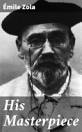
Émile Zola was a towering French novelist, journalist, and public intellectual whose life and work helped define literary naturalism in the nineteenth century. Born in Paris in 1840 and raised partly in Aix-en-Provence after his father's death, he struggled early with poverty and the uncertainty of making a living through writing, but those hardships sharpened his attention to social reality and human suffering. Zola went on to become one of the most important writers of his age, best known for his vast cycle of novels that traced the lives of a single family across generations, as well as for his fearless journalism and his famous defense of justice in a political scandal that shook France. His fiction is marked by a powerful interest in heredity, environment, labor, class struggle, desire, and the damaging forces of modern society, yet it is never merely clinical; it is driven by outrage, compassion, and a deep belief that literature should confront truth head-on. Zola's work remains strikingly relevant today because he wrote about inequality, corruption, urban life, industrial exploitation, and the vulnerability of ordinary people in systems larger than themselves. He also explored the costs of artistic ambition and the tension between creative vision and social pressure, themes that still speak to writers and readers alike. His legacy endures not only in the force of his novels but in his example as a writer who used his voice publicly and courageously. Readers who enjoy socially engaged fiction, richly observed realism, and stories that combine moral urgency with psychological depth will find Zola especially rewarding.